How Is Coordination Used In Swimming And Why It Matters
If you have ever tried swimming and felt like your arms and legs were doing completely different things, you have already experienced why coordination is so important. Many learners ask, how is coordination used in swimming, especially when they struggle with breathing rhythm or timing their strokes.
Swimming is not simply about strength. It is about timing, balance, and synchronised movement. Every stroke requires the arms, legs, core, and breathing pattern to work together smoothly. Without coordination, swimming becomes exhausting and inefficient. With coordination, movement becomes fluid and controlled.
In Singapore, where swimming is a common life skill, understanding how coordination is used in swimming helps both adults and children build confidence and water safety awareness.
How Is Coordination Used In Swimming For Arm And Leg Timing
One of the clearest ways to understand how is coordination used in swimming is by looking at arm and leg timing. In freestyle, for example, one arm pulls while the other recovers. At the same time, the legs perform a flutter kick to maintain propulsion and balance.
If these movements are out of sync, the swimmer may sink, tilt sideways, or waste energy. Coordinated timing ensures that propulsion is continuous and balanced. The body stays horizontal, reducing drag and conserving energy.
In breaststroke, coordination becomes even more noticeable. The arms sweep out and back while the legs perform a frog kick. These actions must follow a precise sequence. When timing is correct, the swimmer glides efficiently. When timing is off, momentum is lost.
This is why instructors focus heavily on rhythm during lessons. Coordination transforms scattered movement into controlled flow.
How Coordination Connects To Breathing Control
When learners ask, how is coordination used in swimming, breathing is often the biggest challenge. Swimming requires breath control that matches stroke timing. In freestyle, inhalation typically occurs during arm recovery. In breaststroke, breathing happens as the head rises during the arm pull.
According to Harvard Health Publishing, rhythmic breathing improves oxygen efficiency and physical endurance. In swimming, coordination ensures that breathing happens at the right moment without disrupting stroke rhythm.
Without coordination, swimmers may lift their heads too early, hold their breath too long, or inhale water accidentally. Coordinated breathing allows smooth transitions and reduces panic.
Learning to coordinate breathing with movement builds both technique and water confidence.
The Role Of Core Coordination In Balance And Stability
Another key aspect of how is coordination used in swimming lies in the core muscles. The core connects upper and lower body movements. Without core coordination, arms and legs work independently instead of as a unified system.
When the core remains engaged, the body stays aligned in the water. This alignment reduces resistance and increases efficiency. Poor coordination can cause hips to sink or shoulders to rotate unevenly, making swimming harder than necessary.
Research referenced by National Library of Medicine highlights that coordinated motor control improves movement efficiency in aquatic activities. This confirms why swimming lessons emphasise posture and body position alongside stroke mechanics.
Coordination is not about moving faster. It is about moving smarter.
How SwimSafer Develops Coordination For Water Safety
While often associated with survival skills, SwimSafer also supports coordination development. SwimSafer training focuses on controlled movement, floating, and safe entry and exit techniques.
These skills require coordinated body control. For example, floating comfortably demands balanced breathing, relaxed posture, and controlled limb positioning. Without coordination, maintaining buoyancy becomes difficult.
Water safety initiatives supported by Sports Singapore emphasise water competency, which includes coordinated movement in addition to basic swimming ability. Coordination supports calm responses and reduces panic in unexpected situations.
How Coordination Improves Endurance And Reduces Fatigue
Many swimmers feel tired quickly not because they lack strength, but because their movements are uncoordinated. When arms, legs, and breathing are not synchronised, energy is wasted.
Understanding how is coordination used in swimming helps explain why some swimmers appear relaxed even after many laps. Their movements flow seamlessly, conserving energy.
Coordinated swimming reduces unnecessary splashing and resistance. Each stroke contributes effectively to forward motion. Over time, this efficiency builds endurance naturally.
For adult learners, improving coordination often leads to dramatic improvements in stamina. They discover that swimming feels easier, not because they are stronger, but because their movements are aligned.
How Coordination Is Taught In Adult And Beginner Classes
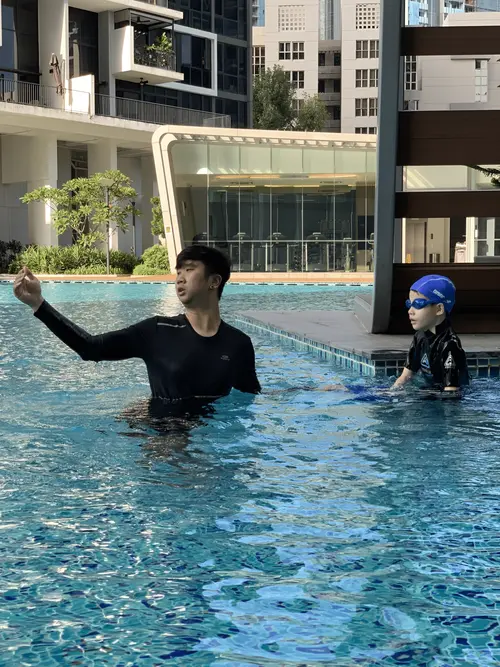
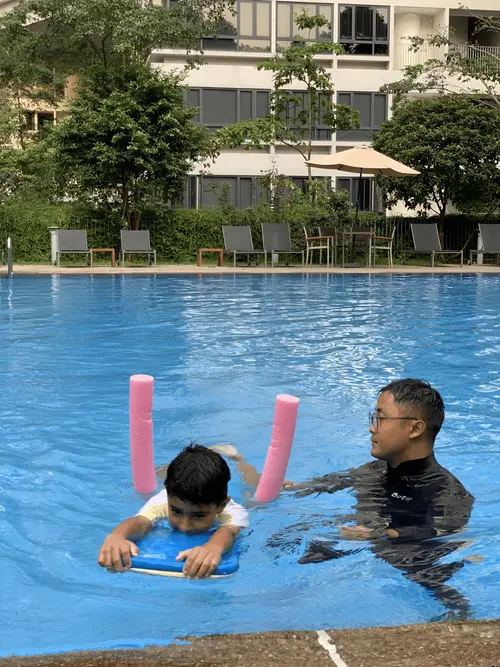
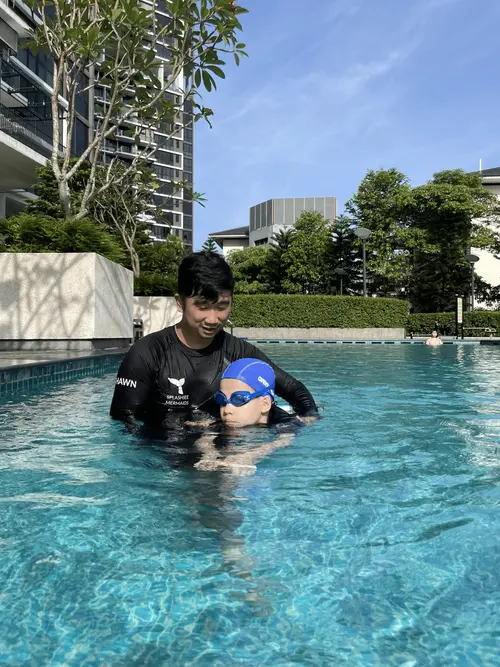
In structured lessons, coordination is introduced gradually. Instructors break down strokes into smaller components. Learners practise arm movements separately from kicks before combining them. Breathing is added once basic rhythm is stable.
This step-by-step approach allows coordination to develop without overwhelming the learner. Adults, in particular, benefit from understanding why each movement matters.
If you are exploring structured programmes, our article Adult Swimming Classes explains how progressive teaching methods build confidence and technique together.
Coordination does not appear overnight. It develops through repetition, patience, and clear instruction.
Conclusion: How Is Coordination Used In Swimming
So, how is coordination used in swimming? It connects arms, legs, breathing, and core stability into one fluid motion. It transforms effort into efficiency and builds both endurance and water safety.
Swimming is not just about strength. It is about timing, rhythm, and balance. Coordinated movement reduces fatigue, improves posture, and increases confidence in water.
If you would like to strengthen your coordination and swim more efficiently, visit Splashiee Mermaids Swim School to explore lessons designed to build technique, balance, and real-life water readiness.
FAQ
Q: Why is coordination important in swimming?
A: Coordination synchronises arms, legs, and breathing, making swimming efficient and controlled.
Q: Does poor coordination make swimming harder?
A: Yes. Uncoordinated movements waste energy and increase fatigue.
Q: Can adults improve coordination in swimming?
A: Yes. Structured lessons help adults develop timing and rhythm progressively.
Q: Is coordination part of SwimSafer training?
A: Yes. SwimSafer supports coordinated movement for safety and control in water.
Click on the link to find out more about Splashiee Mermaid’s lesson package. Chat with our head coach today!
Home
About Splashiee Mermaids
Swimming Coach
SwimSafer
Private Swim Lessons
Group Swimming Lesson
Ladies Swimming Lessons
Childs Swimming Lessons
Whatsapp Us