Can Swimming Lower Blood Pressure Naturally?
Many adults searching for healthier lifestyle habits eventually ask the same question: can swimming lower blood pressure naturally? In many cases, yes. Swimming is widely recognised as one of the most effective low-impact cardiovascular exercises for supporting heart health and improving circulation.
High blood pressure, also known as hypertension, is increasingly common among adults in Singapore due to work stress, sedentary routines, lack of exercise, and poor sleep habits. While medical guidance remains important, regular physical activity is often recommended as part of long-term blood pressure management.
Swimming stands out because it combines aerobic exercise, controlled breathing, and gentle resistance training in one activity. Unlike high-impact workouts that may feel intimidating or stressful on the joints, swimming allows adults to exercise comfortably while still strengthening the cardiovascular system.
How Swimming Affects Blood Pressure
To understand can swimming lower blood pressure naturally, it helps to look at how the body responds during swimming. Swimming increases heart rate gradually while encouraging rhythmic breathing and steady movement.
As the heart becomes stronger, it pumps blood more efficiently through the body. This may help reduce strain on the blood vessels over time. Regular aerobic exercise can also improve blood vessel flexibility, supporting healthier circulation.
According to Harvard Health Publishing, consistent aerobic activities such as swimming may help lower blood pressure by improving heart efficiency and reducing stress on the cardiovascular system.
Swimming also encourages relaxation. The calming effect of water combined with controlled breathing may reduce stress-related tension, which is another factor linked to hypertension.
Why Swimming Feels More Sustainable Than Some Other Exercises
One reason many adults ask can swimming lower blood pressure naturally is because they are searching for exercise options they can maintain consistently. Sustainability matters. Even the best exercise plan becomes ineffective if it feels too exhausting or painful to continue.
Swimming is easier on the joints because water supports body weight. Adults dealing with knee discomfort, stiffness, or reduced mobility often find swimming more comfortable than running or high-impact workouts.
The water also provides gentle resistance in every direction, meaning muscles work continuously without excessive strain. This combination of resistance and support creates a workout that feels challenging but manageable.
Consistency is often what leads to meaningful long-term health improvements.
The Role Of Breathing In Blood Pressure Support
Breathing control plays a surprisingly important role in answering can swimming lower blood pressure naturally. Swimming requires rhythmic inhalation and exhalation patterns that encourage slower, more controlled breathing.
Many adults unknowingly carry stress in their breathing patterns. Shallow breathing and constant tension can contribute to feelings of stress and fatigue. Swimming slows breathing down and promotes relaxation.
Research highlighted by the National Library of Medicine suggests that aerobic exercise combined with controlled breathing may positively influence cardiovascular function and stress regulation.
Swimming lessons often emphasise breathing rhythm alongside technique. These breathing habits can eventually carry over into daily life outside the pool as well.
Can Beginners With High Blood Pressure Learn Swimming Safely?
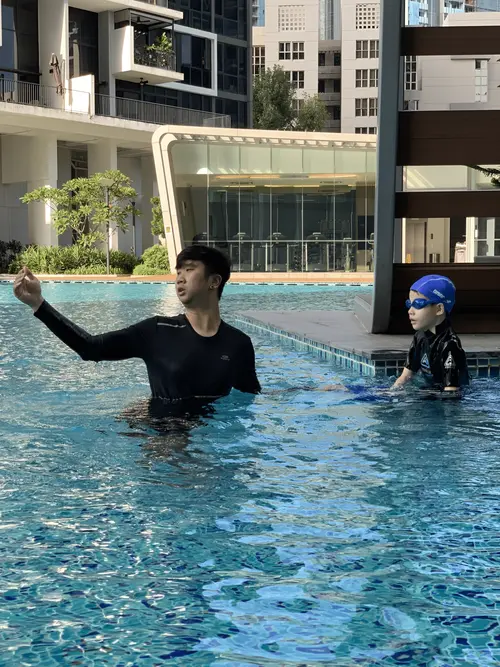
Adults with hypertension sometimes worry about whether swimming lessons are too physically demanding. In many cases, beginners can learn safely when lessons are paced properly and medical advice is followed.
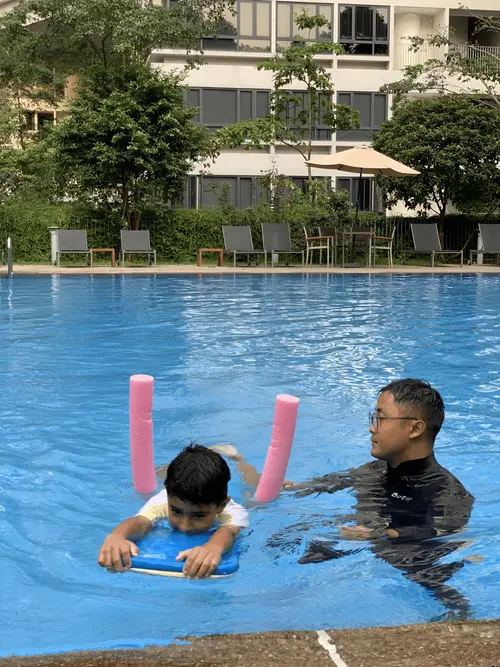
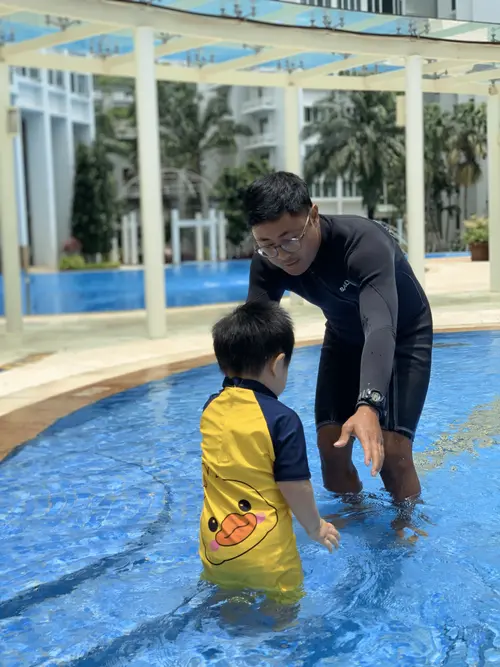
Swimming lessons usually begin gradually with floating, breathing control, and basic movement exercises. Adults are not expected to perform intense workouts immediately. This slower progression allows the body to adapt steadily.
Adults with uncontrolled hypertension or additional medical conditions should still consult healthcare professionals before beginning new exercise routines. Proper medical guidance ensures exercise remains safe and beneficial.
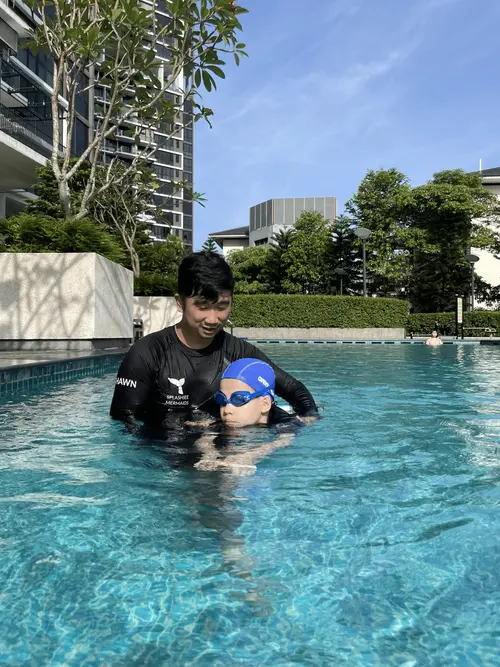
With professional instruction and gradual pacing, swimming often becomes one of the most approachable long-term fitness activities for adults.
How SwimSafer Supports Water Confidence And Consistency
Although SwimSafer primarily focuses on water safety and survival skills, the programme also helps learners become more confident and relaxed in aquatic environments.
Confidence matters because adults who feel safe in the water are more likely to continue swimming regularly. Long-term consistency is one of the biggest factors influencing overall cardiovascular health improvement.
Water competency efforts supported by Sports Singapore continue encouraging swimming as both a practical life skill and a sustainable wellness activity across Singapore.
Why Swimming Is Popular Among Adults In Singapore
Swimming fits naturally into many Singaporean lifestyles because pools are highly accessible. Condominium facilities, public swimming complexes, and structured lesson programmes make regular participation realistic even with busy schedules.
Many adults appreciate that swimming improves fitness while also helping them unwind mentally after long workdays. The calming environment of the pool often feels therapeutic rather than overwhelming.
Over time, adults frequently notice better stamina, improved breathing control, and increased energy levels. These gradual improvements may support healthier blood pressure management alongside proper nutrition, sleep, and medical care.
Conclusion
So, can swimming lower blood pressure naturally? For many adults, yes. Swimming supports cardiovascular health, improves circulation, strengthens the heart, and promotes controlled breathing while remaining gentle on the body.
Most importantly, swimming offers a sustainable exercise option that many adults can continue long term. Combined with healthy lifestyle habits and proper medical guidance, swimming may become an important part of supporting overall heart health and wellbeing.
If you are ready to improve your confidence and fitness in the water, visit Splashiee Mermaids Swim School to explore swimming lessons designed for adults at all experience levels.
FAQ
Q: Can swimming lower blood pressure naturally?
A: Swimming may help support healthier blood pressure through improved cardiovascular fitness and circulation.
Q: Why is swimming considered good for heart health?
A: Swimming combines aerobic exercise with controlled breathing and full-body movement.
Q: Is swimming safe for adults with hypertension?
A: In many cases, yes, especially with gradual progression and proper medical guidance.
Q: Can swimming reduce stress levels?
A: Yes. The calming nature of water and rhythmic breathing may help reduce stress.
Click on the link to find out more about Splashiee Mermaid’s lesson package. Chat with our head coach today!
Home
About Splashiee Mermaids
Swimming Coach
SwimSafer
Private Swim Lessons
Group Swimming Lesson
Ladies Swimming Lessons
Childs Swimming Lessons
Whatsapp Us