How Often Should Women Swim To Stay Fit?
Most women can stay fit by swimming two to four times a week, provided the sessions are active enough to contribute towards their overall exercise needs. A practical goal is about 150 minutes of moderate-intensity aerobic activity each week, although the right frequency depends on fitness, pace, goals and recovery.
At Splashiee Mermaids Swim School, we recommend building a schedule that can be maintained consistently. Two well-planned sessions can be an effective starting point, while three or four sessions may better support endurance, technique or weight-management goals.
Focus On Weekly Exercise Time
The number of sessions matters less than the total amount and intensity of exercise completed across the week. The Singapore Physical Activity Guidelines recommend that healthy adults aim for 150 to 300 minutes of moderate-intensity aerobic activity weekly, together with muscle-strengthening exercise on at least two days.
Not every minute has to come from swimming. A woman who swims for 45 minutes three times a week and stays active through walking or another sport may already be close to the recommended range. Someone completing two gentle 20-minute swims will probably need additional activity elsewhere in the week.
Moderate intensity generally means breathing faster while still being able to speak in short sentences. Vigorous swimming feels much harder and makes sustained conversation difficult.
Is Swimming Twice A Week Enough?
Swimming twice a week can support general fitness when the sessions are purposeful and the swimmer remains active on other days. Two sessions of approximately 30 to 45 minutes may improve cardiovascular fitness, muscular endurance and water confidence, especially for beginners.
However, two sessions may not provide the full recommended amount of aerobic activity by themselves. They can be combined with brisk walking, cycling or another suitable exercise. Physical activity can be divided into manageable sessions across the week rather than completed all at once.
For beginners, twice-weekly swimming also provides recovery time while breathing control and stroke mechanics develop.

Three Sessions A Week Is A Strong Target
For many women, swimming three times a week offers a useful balance between training and recovery. Sessions lasting 30 to 50 minutes can provide around 90 to 150 minutes of weekly pool activity, depending on how much time is spent actively swimming.
This frequency also supports technique because long gaps between sessions can make coordination and breathing patterns feel unfamiliar. One session can emphasise technique, another continuous aerobic swimming and another shorter efforts with controlled recovery.
At Splashiee, we adjust training to the swimmer’s current ability rather than expecting every learner to complete the same distance or pace.
Should Women Swim Four Or Five Times Weekly?
Swimming four or five times a week can suit experienced swimmers with performance, endurance or higher-volume fitness goals. It is not automatically better for everyone. More frequent training is only useful when the swimmer can recover and maintain good technique.
Repeated laps can strain the shoulders when volume increases too quickly or the stroke is inefficient. Persistent soreness, falling performance, unusual fatigue, irritability or disturbed sleep may indicate that the programme needs adjustment. Harvard Health Publishing identifies continuing fatigue, aches and sleep disruption as possible signs of excessive exercise.
Frequent swimmers should vary intensity instead of making every session demanding. Easier technique sessions can sit between harder workouts, with lighter days supporting recovery.
How Long Should Each Session Last?
A beginner may start with 20 to 30 minutes in the pool, including rest and skill practice. As confidence and fitness improve, sessions can gradually extend towards 30 to 60 minutes.
What happens during the session matters more than its total length. Forty minutes of focused swimming and drills may be more productive than an hour with long, unplanned breaks. Structured lessons can help learners use pool time efficiently while improving technique.
Harvard Health Publishing describes swimming and water-based exercise as useful for cardiovascular fitness, strength, mood and lower-impact movement. Duration should still increase gradually, especially after illness, injury or a long break.
Combine Swimming With Strength Training
Swimming works many muscle groups, but a complete fitness routine should not rely only on pool sessions. Singapore’s guidance also recommends muscle-strengthening exercise on at least two days each week.
This becomes particularly relevant with age because swimming is not strongly weight-bearing. Appropriate resistance and weight-bearing exercise can complement swimming by supporting strength, daily function and bone health.
Strength training can be scheduled after an easier swim or on separate days. Beginners should focus on controlled movement before progressing resistance.
Adjust Frequency Around Health And Recovery
No single schedule suits every female swimmer. Pregnancy, menopause, menstrual symptoms, injuries, medication and chronic health conditions may affect comfort, energy and recovery.
A healthy woman may manage three sessions weekly, while someone returning after surgery or managing a medical condition may need shorter sessions and professional guidance. Pregnant women and people with significant health concerns should consult a qualified healthcare professional before beginning or substantially changing an exercise programme.
A suitable schedule should feel challenging but still allow recovery. Missing an occasional swim does not remove previous progress, and returning gradually is safer than compensating with an unusually hard session.
Build A Consistent Routine With Splashiee
For most women, two weekly sessions are a sensible starting point, three provide a strong general fitness routine and four or more are better suited to swimmers whose technique, recovery and goals support the extra volume.
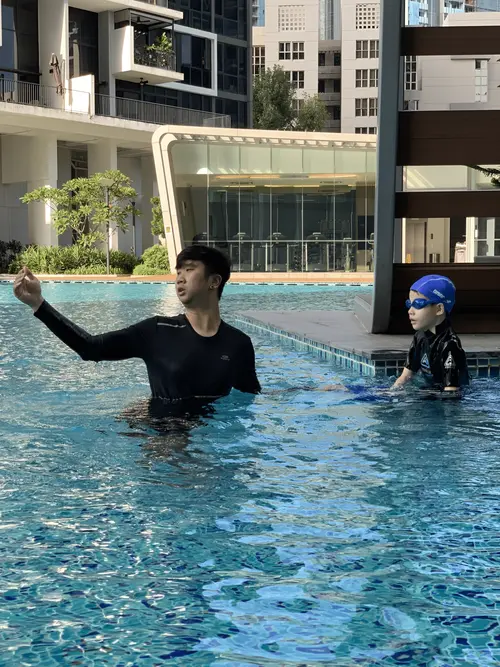
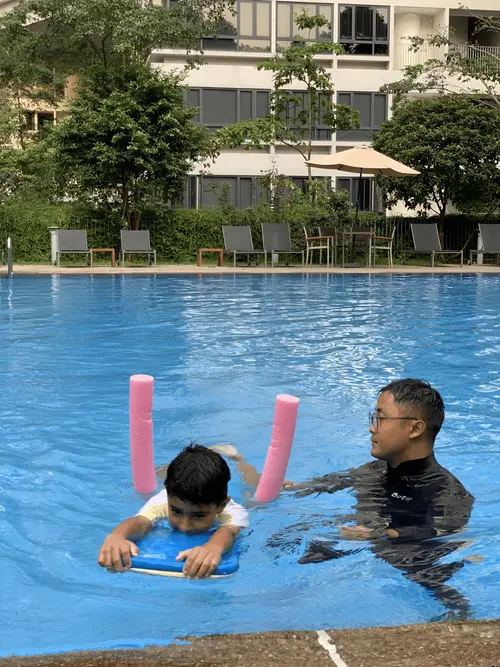
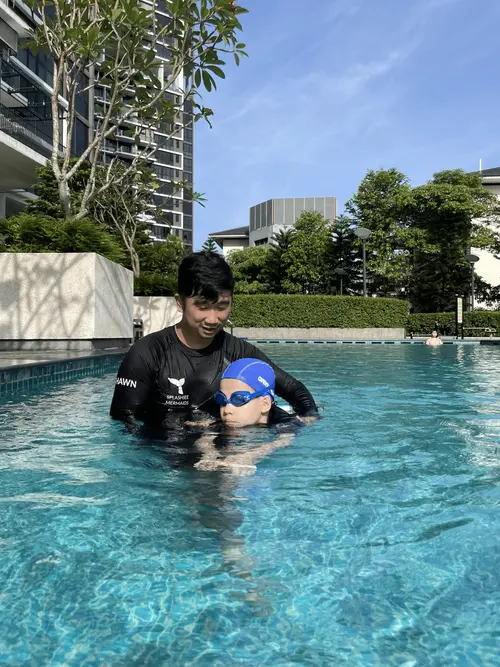
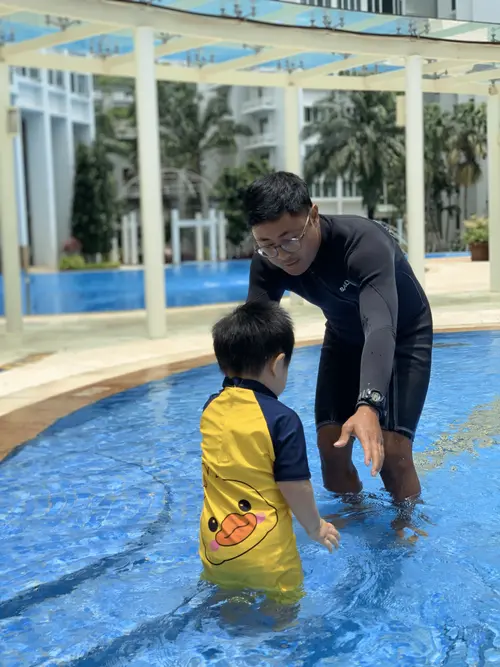
At Splashiee Mermaids Swim School, we help female learners improve technique, confidence and endurance through structured swimming instruction. Whether you are beginning from zero or returning after a long break, we can help you establish a realistic routine.
Contact us to discuss your current swimming ability and fitness goals. We will help you identify a suitable starting schedule based on your experience, availability and confidence in the water.
Frequently Asked Questions
Is Swimming Three Times A Week Enough To Stay Fit?
For many women, swimming three times weekly is enough to support cardiovascular fitness and endurance, especially when sessions last 30 to 50 minutes. Strength training and everyday movement should still form part of a balanced routine.
Can Women Swim Every Day?
Women can swim daily when training volume, intensity and recovery are managed carefully. However, every session should not be demanding. Alternating technique, endurance and easier recovery swims can reduce fatigue and repetitive strain.
How Long Does It Take To See Fitness Results From Swimming?
Some women notice better breathing control and endurance within several weeks of consistent swimming. Visible or measurable changes vary according to session intensity, nutrition, sleep, starting fitness and participation in other forms of exercise.
Is Two Hours Of Swimming A Week Enough?
Two hours of moderate swimming can make a meaningful contribution towards weekly aerobic activity. It may be sufficient alongside walking or other exercise, but women should also include appropriate muscle-strengthening activity on at least two days.
Click on the link to find out more about Splashiee Mermaid’s lesson package. Chat with our head coach today!
Home
About Splashiee Mermaids
Swimming Coach
SwimSafer
Private Swim Lessons
Group Swimming Lesson
Ladies Swimming Lessons
Childs Swimming Lessons
Whatsapp Us