What Is SwimSafer And Why It Matters For Water Safety In Singapore
Many parents and adult learners ask an important question: how SwimSafer builds real-life water survival skills, not just swimming ability. This question matters because swimming strokes alone do not guarantee safety. In real situations, panic, fatigue, unexpected depth, or unfamiliar surroundings are often what cause accidents, not a lack of stroke technique.
SwimSafer was created to address this exact gap. Instead of focusing purely on how well someone swims from one end of the pool to the other, SwimSafer prioritises survival awareness, calm decision-making, and controlled responses in water. These are the skills that protect lives outside of ideal pool conditions.
In a water-surrounded country like Singapore, real-life water readiness is not optional. Pools, beaches, reservoirs, and water play areas are part of daily life. SwimSafer ensures learners are not just swimmers, but capable and confident individuals who know how to react when situations change.
Why Swimming Ability Alone Is Not Enough For Water Safety
Many people can swim, yet still struggle in unexpected water situations. This is why understanding how SwimSafer builds real-life water survival skills, not just swimming ability, is so critical. Swimming ability focuses on movement. Survival focuses on control, awareness, and judgement.
In real scenarios, water conditions may feel different. Visibility may be poor. Depth may be unfamiliar. Fatigue may set in faster than expected. A person who knows only strokes may panic, while someone trained in survival principles knows how to stay calm, float, and conserve energy.
Research highlighted by National Library of Medicine shows that formal water safety education significantly reduces drowning risk because it teaches behavioural responses, not just physical skills. SwimSafer aligns with this research by training learners to manage stress, maintain buoyancy, and respond intelligently rather than react impulsively.
How SwimSafer Trains Calmness And Control In Water
One of the most important ways SwimSafer builds real-life water survival skills is by teaching calmness under pressure. Panic is one of the biggest dangers in water. When panic takes over, breathing becomes erratic, muscles tense up, and energy drains rapidly.
SwimSafer trains learners to slow down mentally and physically. They learn how to regulate breathing, maintain body position, and remain composed even when tired. These skills apply whether the learner is a child in a pool or an adult caught off guard in deeper water.
This mental conditioning is just as valuable as physical training. According to Harvard Health Publishing, controlled breathing and calm responses directly affect physical endurance and coordination. SwimSafer integrates this understanding into every stage, ensuring learners are mentally equipped for water challenges.
Real-Life Skills SwimSafer Focuses On Beyond Swimming Strokes
Understanding how SwimSafer builds real-life water survival skills, not just swimming ability, means recognising what is prioritised during training. SwimSafer teaches learners how to float comfortably, how to rest in water, and how to move efficiently without panic.
Learners are guided to understand their own limits. They learn when to stop, how to regain composure, and how to reposition themselves safely. This awareness prevents exhaustion and poor decision-making, which are common contributors to water accidents.
SwimSafer also builds situational awareness. Learners are taught to recognise water conditions, personal fatigue levels, and safe exit strategies. These lessons are subtle but powerful, shaping how individuals behave around water long after lessons end.
Why SwimSafer Is Especially Important In Singapore
Singapore’s strong aquatic culture makes it even more important to understand how SwimSafer builds real-life water survival skills, not just swimming ability. Children grow up around pools. Adults swim for fitness and leisure. Water exposure is frequent and often casual.
This familiarity can sometimes lead to complacency. SwimSafer counters that by instilling respect for water without fear. It encourages confidence balanced with caution, which is essential for long-term safety.
National efforts supported by Sports Singapore emphasise the importance of water competency as a life skill. SwimSafer acts as the practical framework that turns these safety principles into real abilities that people can rely on.
How SwimSafer Builds Lifelong Confidence And Independence
Another key reason SwimSafer builds real-life water survival skills is the confidence it develops. Learners stop relying on constant supervision and begin trusting their own ability to manage themselves in water.
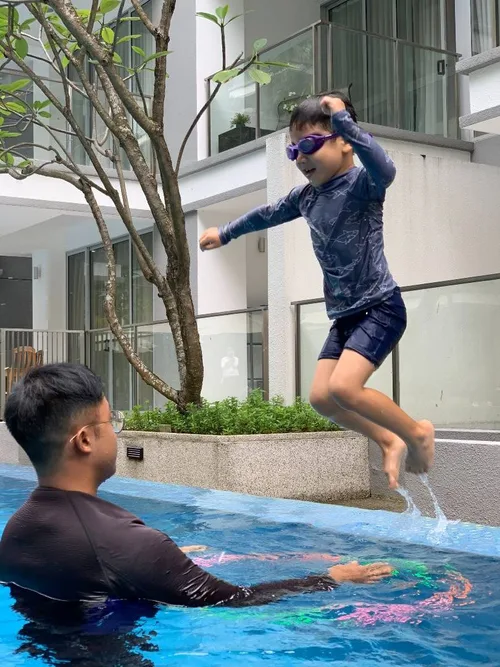
Children who complete SwimSafer stages often show greater independence. They move more confidently, breathe more calmly, and make better decisions. Adults experience similar benefits. Many report feeling more relaxed during recreational swimming because they know how to respond if something feels off.
Confidence is not about bravado. It is about knowing what to do. SwimSafer teaches learners that they do not need to rush, struggle, or fight the water. They learn to work with it instead.
If you would like a deeper understanding of structured progression, our earlier article SwimSafer Programs For New Swimmers explains how skills are built step by step over time.
The Role Of Quality Coaching In SwimSafer Training
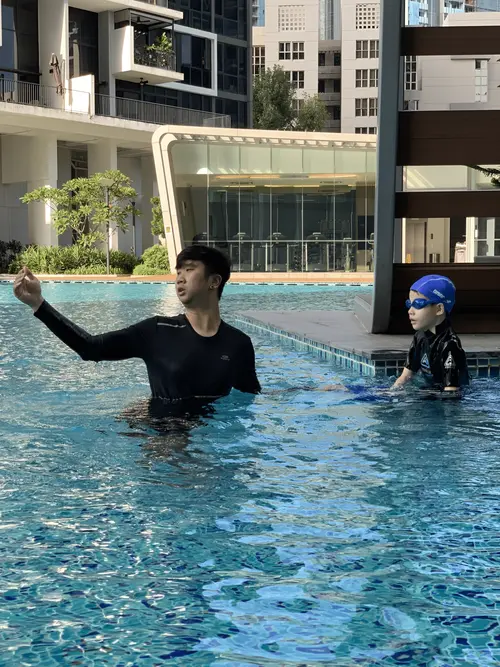
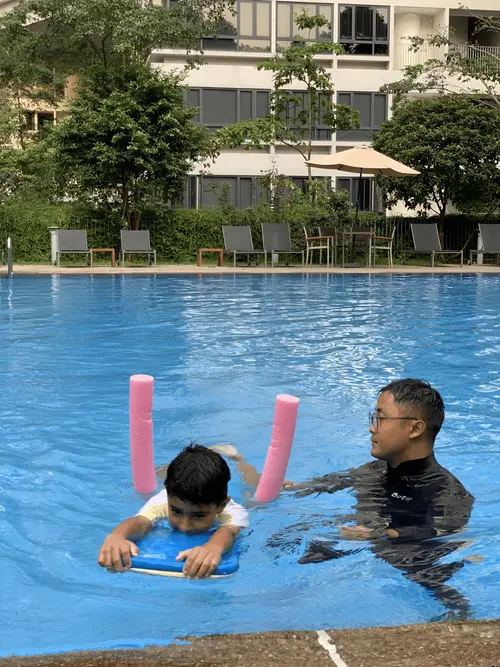
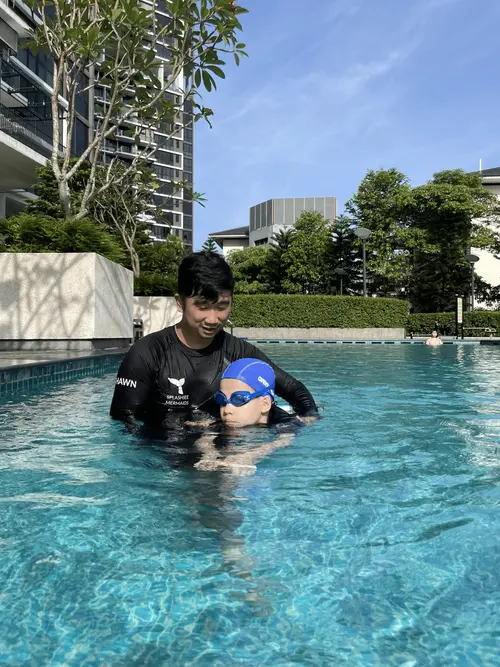
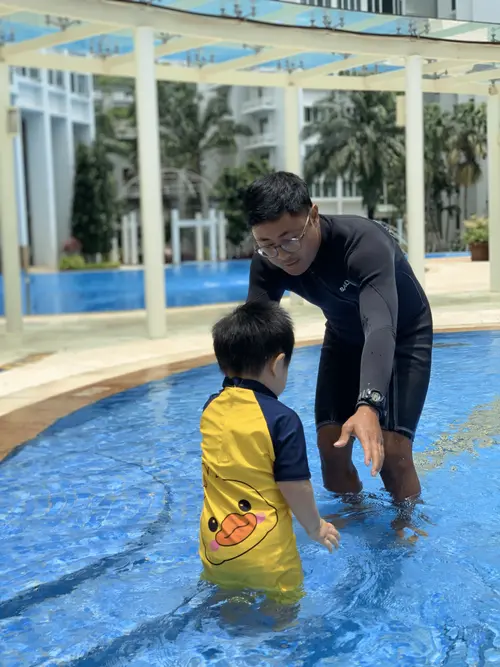
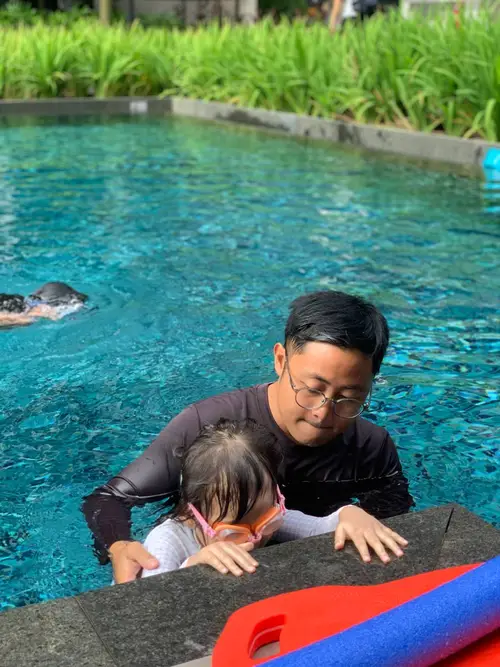
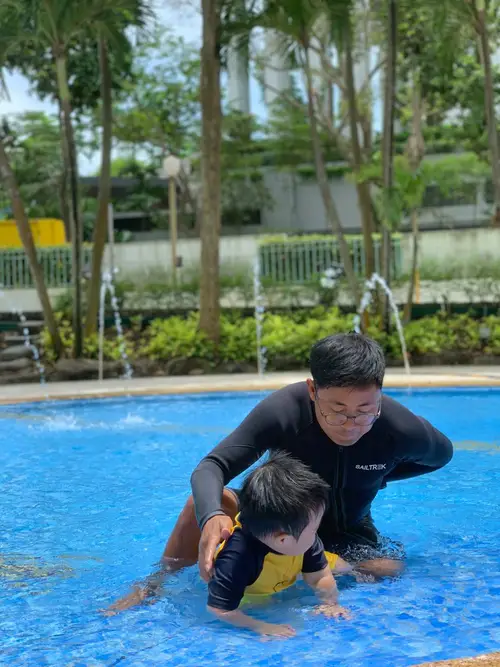
How SwimSafer builds real-life water survival skills also depends on how it is taught. Skilled coaching ensures that learners are not rushed and that skills are reinforced properly. Coaches observe body position, breathing patterns, and emotional responses carefully.
Structured instruction allows learners to practise skills repeatedly until they become natural. This repetition is what transforms conscious actions into instinctive responses. When a situation arises, learners do not need to think. Their training guides them.
At Splashiee, SwimSafer lessons focus on patience, clarity, and reassurance. This environment allows learners to absorb survival skills without fear or pressure, which strengthens long-term retention.
Conclusion: How SwimSafer Builds Real-Life Water Survival Skills That Truly Matter
Understanding how SwimSafer builds real-life water survival skills, not just swimming ability, highlights why it is such an essential programme in Singapore. SwimSafer prepares learners for real situations, not just controlled pool conditions. It develops calmness, awareness, confidence, and practical survival responses that last a lifetime.
Swimming ability is valuable, but survival skills save lives. SwimSafer bridges that gap by teaching people how to stay safe, composed, and capable in water environments they encounter every day.
To learn how SwimSafer training can support your family’s water safety journey, visit Splashiee Mermaids Swim School and explore our SwimSafer-focused programmes designed for real-life readiness.
FAQ
Q: How does SwimSafer differ from regular swimming lessons?
A: SwimSafer focuses on survival skills, calm responses, and water awareness, not just swimming strokes.
Q: Does SwimSafer help prevent panic in water?
A: Yes. SwimSafer trains controlled breathing and composure, which reduces panic responses.
Q: Is SwimSafer suitable for adults as well as children?
A: Yes. SwimSafer principles apply to all ages and improve safety for everyone.
Q: Why is SwimSafer important in Singapore?
A: Frequent water exposure in Singapore makes survival skills essential for everyday safety.
Click on the link to find out more about Splashiee Mermaid’s lesson package. Chat with our head coach today!
Home
About Splashiee Mermaids
Swimming Coach
SwimSafer
Private Swim Lessons
Group Swimming Lesson
Ladies Swimming Lessons
Childs Swimming Lessons
Whatsapp Us