Is Swimming 90% Mental? Understanding the Mind–Body Connection in the Pool
Many swimmers, coaches, and competitive athletes love to say, “Swimming is 90% mental and 10% physical.” But is swimming 90% mental? While the exact percentage may vary depending on who you ask, the idea behind it remains surprisingly consistent: your mindset, confidence, and emotional control play a massive role in how well you swim.
If you’ve ever stepped into a pool feeling nervous, distracted, or unsure of yourself, you’ve probably noticed your strokes get messy, your breathing becomes chaotic, and your stamina disappears faster than ice cream on a sunny day. On the other hand, when you feel calm, clear-headed, and confident, the water somehow feels lighter, smoother, and easier to navigate.
So yes—if we’re speaking realistically, swimming is both mental and physical. But if you’re wondering why so many people confidently claim swimming is 90% mental, you’re in the right place. Let’s unpack that together.
Before we go deeper, if you haven’t read our earlier Splashiee article on efficient freestyle techniques for beginners, it pairs perfectly with this topic because technique becomes infinitely easier with the right mindset.
Why So Many Coaches Say “Swimming Is 90% Mental”
The pool can be an emotional place. Some people feel pure joy the moment they touch the water, while others feel fear even before their toes enter the pool. These emotions don’t just exist in your head—they influence your breathing, posture, coordination, and endurance.
Here’s the psychological truth behind the statement “is swimming 90% mental”:
When your mind is calm, your body follows.
When your mind is scared, your body freezes.
When your mind is confident, your body performs.
A study from the National Library of Medicine found strong links between mental readiness and performance success in aquatic sports. Swimmers with better emotional regulation and confidence performed significantly better, even with similar physical conditioning levels.
This explains why two swimmers with equal strength can produce very different results. It’s not just about muscles. It’s about mindset.
Another interesting research point from Sport Psychology Today emphasises that elite swimmers spend as much time on mental preparation as they do on physical training. Visualisation, emotional control, pre-swim routines, and confidence-building exercises are all part of their training plan.
So, is swimming 90% mental?
Maybe not exactly 90%, but the mental part is undeniably significant.
The Mental Barriers Swimmers Often Face (Even If They Don’t Admit It)
You’ve probably heard swimmers say things like:
“I can’t float.”
“I keep sinking.”
“I panic when I can’t touch the floor.”
“I run out of breath too fast.”
“I feel embarrassed swimming in front of others.”
Here’s a little secret: most of these challenges are psychological, not physical.
Your body is naturally buoyant, and your muscles can learn any stroke—but your mind must allow the body to learn.
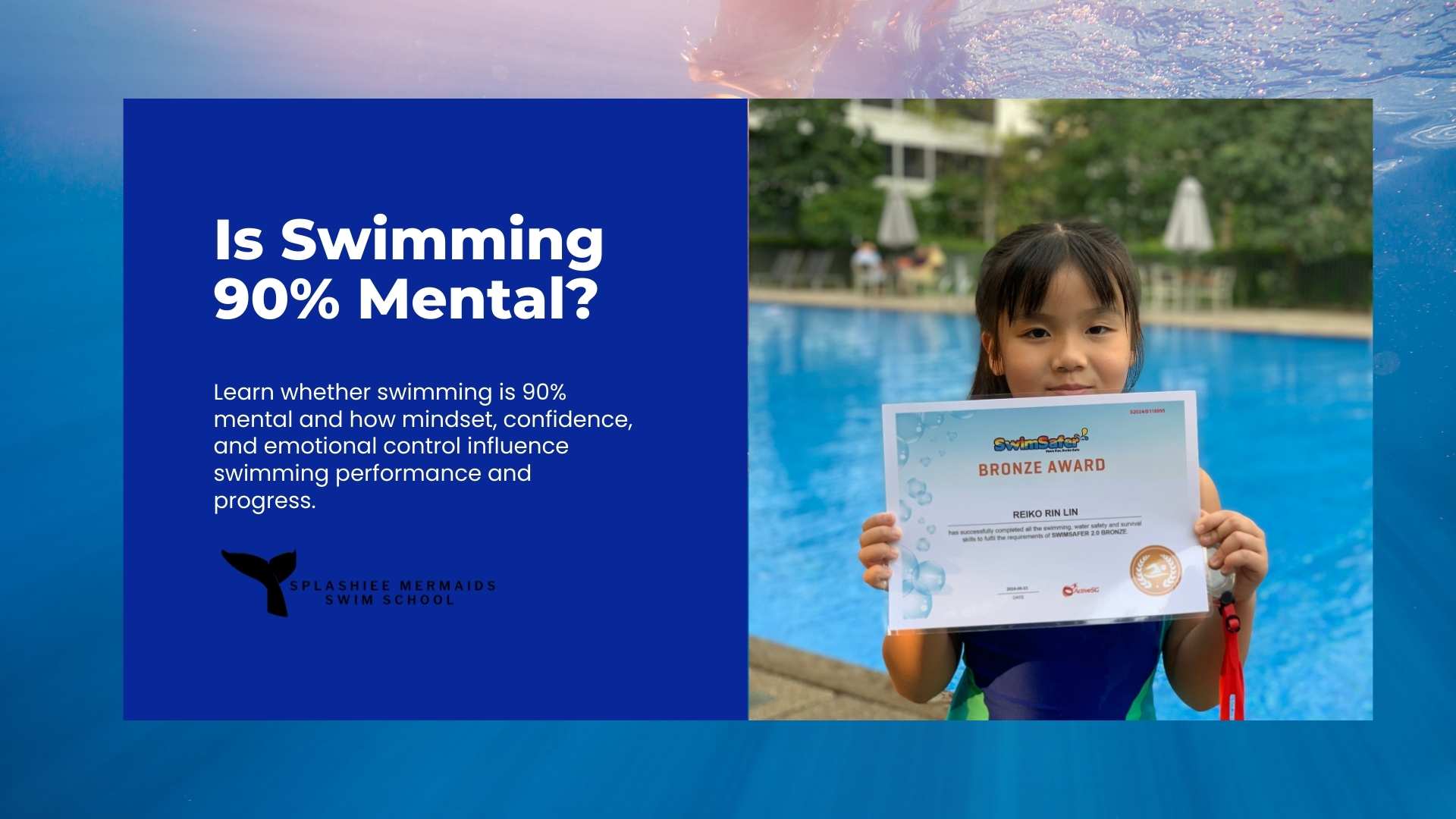
Fear is one of the biggest reasons people struggle in water. Some learners freeze the moment water touches their face, even if they are physically capable of floating. Others rush their breathing because anxiety tricks them into thinking they’re running out of oxygen.
This is why private lessons are so effective. When learners ask, “Is swimming 90% mental?”, we often see the truth firsthand during lessons. Once their fear reduces and confidence rises, their progress skyrockets.
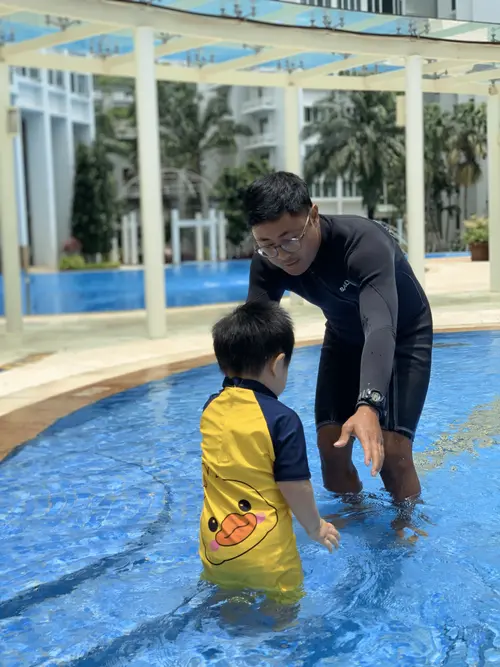
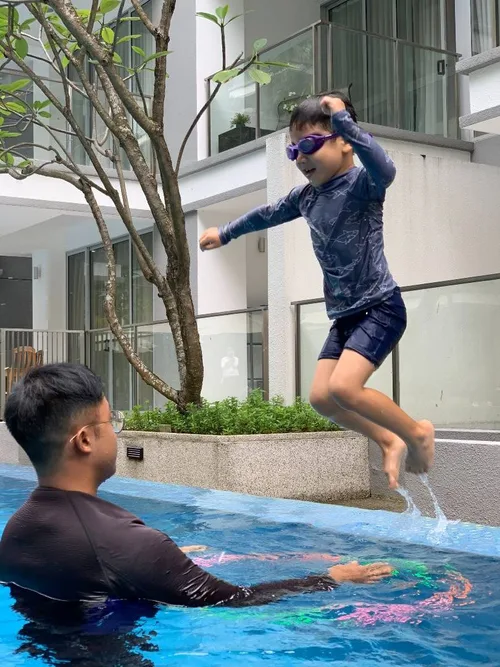
Kids experience mental barriers too. Shyness, overstimulation, or fear of failure can slow them down even if they love being in the pool. Adults, meanwhile, sometimes carry emotional memories from childhood or simply feel self-conscious.
Once these mental blocks are addressed, swimming becomes easier and far more enjoyable.
How the Mind Influences Swimming Skills and Technique
Let’s break down the mental components that explain why people ask, “Is swimming 90% mental?” so often.
Your Breathing:
An anxious swimmer breathes quickly and unevenly. A calm swimmer breathes rhythmically and efficiently.
Your Strokes:
When your mind is tense, your arms and legs tense too. Movements become stiff and jerky. Relaxation leads to smoother strokes and better water control.
Your Buoyancy:
Fear makes the body curl and sink. Confidence helps the body stay horizontal and afloat.
Your Coordination:
A stressed brain has trouble multitasking. Swimming requires syncing breathing, kicking, and arm motion. Calmness builds coordination.
Your Endurance:
Mental fatigue often comes before physical fatigue. When your mind is tired, your body shuts down early.
When swimmers finally understand these connections, their question shifts from “Is swimming 90% mental?” to “How can I train my mind better?”
How Private Coaching Helps Strengthen the Mental Side of Swimming
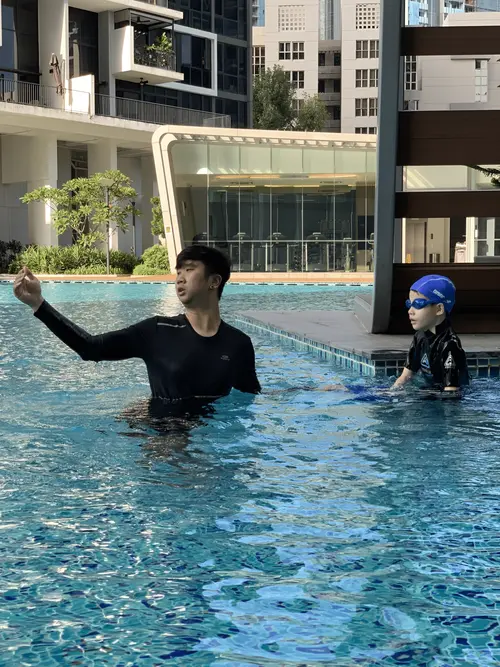
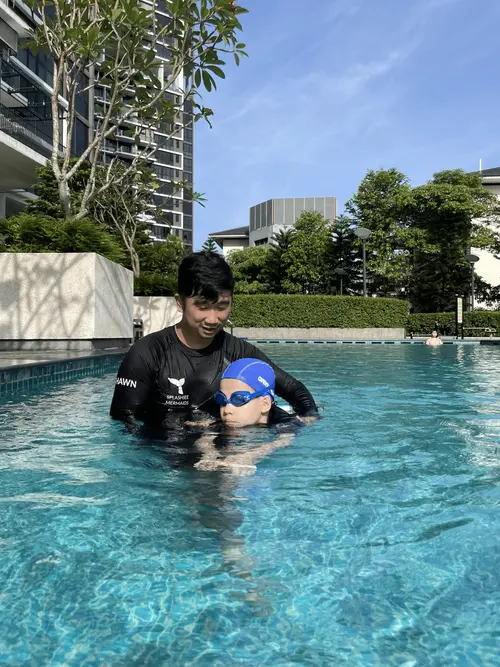
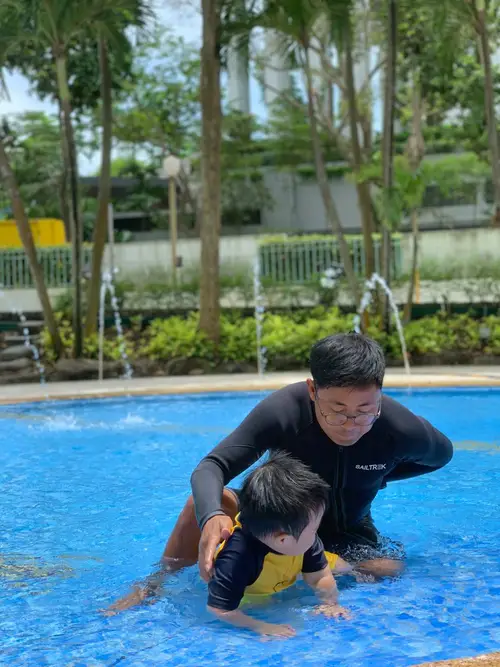
The beauty of private lessons is that they treat the swimmer as a whole person—not just a set of physical skills. A good coach doesn’t just teach strokes. They teach confidence, breathing control, emotional management, and mindful awareness.
In one-to-one settings, coaches can:
Help learners feel safe
Correct fears gently
Build confidence slowly
Guide emotional regulation
Teach relaxation techniques
Address anxiety privately
Adjust teaching pace to suit personality
Use personalised encouragement
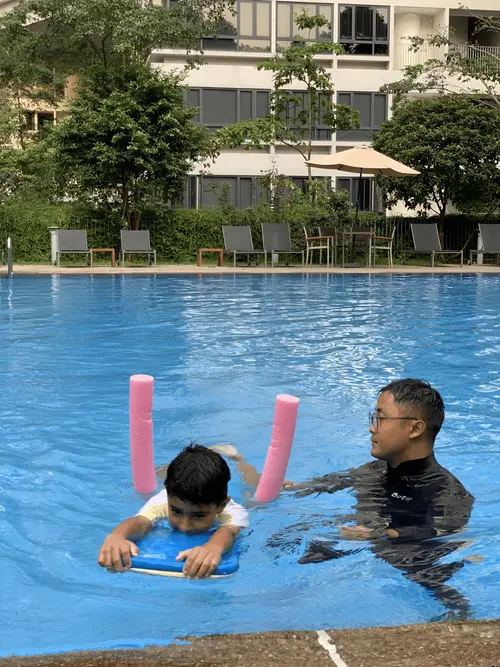
A child who panicked in group lessons may suddenly flourish in private sessions because they feel protected, reassured, and understood. Adult learners often say they didn’t realise how much their mind was holding them back until they finally experienced calm, controlled moments in the pool.
Our Splashiee instructors often combine technical teaching with mindset-building conversations. Sometimes, the difference between sinking and floating is not physical strength—it’s simply learning to trust the water.
If you’d like to understand how structured confidence-building works in lessons, our article on SwimSafer Programs for New Swimmers breaks down how progression is designed.
So… Is Swimming 90% Mental? Here’s the Final Answer
While we wouldn’t assign an exact number, the influence of the mind in swimming is so powerful that many coaches believe mental strength is the difference between progress and frustration.
Your mind decides:
How calm you stay
How long you last
How well you coordinate
How fast you learn
How confidently you breathe
How quickly you overcome fear
So is swimming 90% mental?
Maybe. Maybe not.
But without a strong mental foundation, progress becomes an uphill battle—no matter how physically fit you are.
If you’re ready to train both your mind and body in a supportive environment, visit bold Splashiee Mermaids Swim School bold and let our caring coaches guide you toward confident, calm, effortless swimming.
FAQ
Q: Is swimming 90% mental?
A: Swimming is heavily influenced by mindset. Confidence, calmness, and emotional control significantly affect technique and progress.
Q: Why do I panic in the water even though I can swim?
A: Panic is often mental, not physical. Anxiety disrupts breathing and posture, making swimming harder.
Q: Can mindset improve swimming speed?
A: Yes. A calm mind enhances coordination, efficiency, and breath control, which improves speed.
Q: How do I build mental strength for swimming?
A: Consistent practice, relaxation techniques, and private coaching help strengthen confidence and mental resilience.
Click on the link to find out more about Splashiee Mermaid’s lesson package. Chat with our head coach today!
Home
About Splashiee Mermaids
Swimming Coach
SwimSafer
Private Swim Lessons
Group Swimming Lesson
Ladies Swimming Lessons
Childs Swimming Lessons
Whatsapp Us