What Is the 80 20 Rule in Swimming?
If you’ve ever heard swimmers talk about training smarter rather than harder, there is a good chance the phrase “80 20 rule” popped up somewhere in the conversation. So what is the 80 20 rule in swimming? In simple terms, it refers to structuring swim training so that 80% of the workout is done at low intensity, while the remaining 20% is dedicated to high-intensity, performance-focused effort.
The 80 20 rule became popular in endurance sports like running, cycling, and triathlon, but swimmers quickly realised it works brilliantly in the pool too. Instead of constantly pushing to maximum capacity, which often leads to burnout, this rule helps swimmers train efficiently, recover properly, and maximise performance gains. Whether you’re a new swimmer trying to build stamina or an aspiring athlete working on speed, this method keeps your progress moving steadily.
In our earlier Splashiee article on efficient freestyle techniques for beginners, we talked about how refinement beats raw effort. The 80 20 rule is the perfect example of that philosophy in action. It’s a training approach grounded in research, trusted by coaches, and loved by swimmers who prefer smart training over endless exhaustion.
Understanding What Is the 80 20 Rule in Swimming Through Real-Life Training
To make the explanation even clearer, imagine a typical one-hour swim session. With the 80 20 rule, 48 minutes would be spent on easy strokes, relaxed kicking, and steady-paced laps. The remaining 12 minutes would be where you increase speed, push your heart rate, or work through intense drill sets. It’s not about holding back; it’s about pacing your body wisely so it has the energy to grow stronger.
Many new swimmers believe that pushing hard every session is the only path to improvement. But most coaches will agree that constantly sprinting through workouts is like trying to run a marathon at full sprint—you’ll run out of fuel long before you reach the finish line. By balancing effort intentionally, you condition your body to adapt while avoiding unnecessary stress.
Research from the National Library of Medicine supports this structure, showing that endurance athletes who adopt a low-to-high intensity ratio train more consistently and achieve better oxygen efficiency over time. When applied to swimming, this means stronger body control, smoother strokes, and more efficient breathing patterns.
Another study reported by ScienceDaily found that athletes who follow polarised training patterns—where low intensity dominates and high intensity is purposeful—experience more sustainable progress. This balance reduces burnout, which is especially helpful in a sport as demanding as swimming.
Why Swimmers Ask “What Is the 80 20 Rule in Swimming?” More Than Ever
Singapore’s pace of life means adults and kids alike often look for effective ways to train without feeling overwhelmed. Many swimmers juggle school, work, and family time, so they want training methods that produce results without draining every ounce of energy.
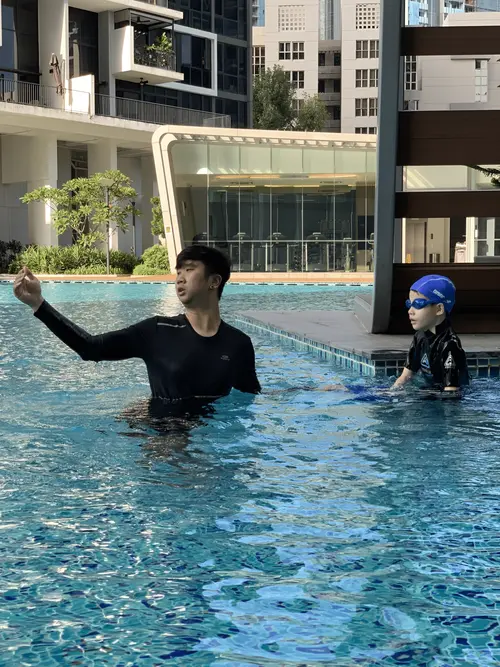
When learners come for lessons, especially at private condo settings, one of their first concerns is stamina. They ask things like, “Why do I run out of breath after just one lap?” or “Do I really need to push so hard every lesson?” That’s where the 80 20 rule helps take away the pressure. With this method, they learn that controlled pacing is not laziness—it’s a smart, structured way to train.
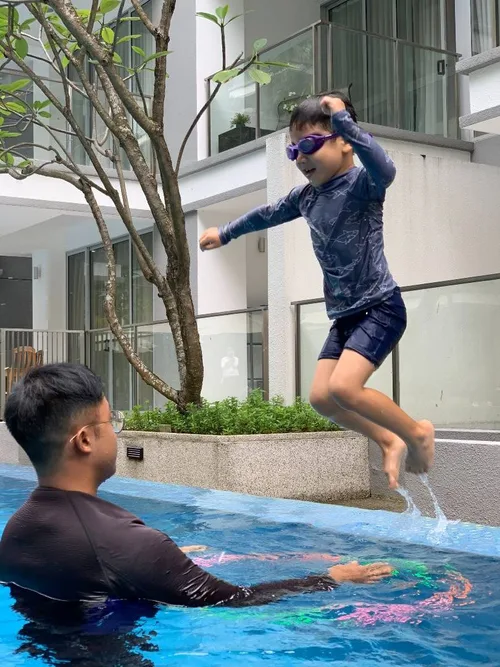
Kids also respond well to this training balance. They learn to maintain smooth strokes during the low-intensity portion and save their energy for short bursts of higher effort. This helps them progress without feeling overwhelmed, which reduces fear and increases enjoyment.
Adults who are working toward technique mastery appreciate the structure too. When you are learning to coordinate your breathing, body rotation, and kicking, trying to force speed too early can lead to frustration. The 80 20 rule keeps everything manageable, steady, and confidence-building.
How Private Lessons Help Swimmers Apply the 80 20 Rule Correctly
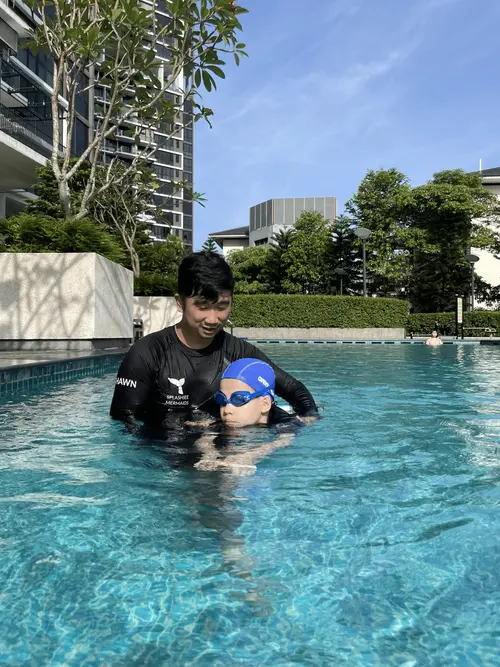
Understanding what is the 80 20 rule in swimming is one thing—practising it correctly is another. That’s where private coaching becomes incredibly helpful. One-to-one lessons allow the coach to tailor the training ratio to your ability. A beginner may need 90 10 at the start, while a more advanced swimmer may follow 75 25 depending on goals.
With personal guidance, swimmers learn when to increase intensity and when to maintain a light pace. Instead of guessing or following random online workouts, the coach adjusts the plan dynamically. This ensures you’re always working at the right level for your body.
For example, if a learner is working on their freestyle breathing technique, they might spend the low-intensity portion refining strokes slowly and calmly. Later in the lesson, they apply the corrections at a faster pace during the high-intensity portion. This pattern reinforces learning while preventing fatigue.
We’ve seen many swimmers improve more consistently once they understand this training structure. Parents appreciate it because their kids don’t feel overwhelmed, and adult learners love how much smoother their training becomes.
Why the 80 20 Rule Builds Better Technique and Endurance
A major benefit of following the 80 20 rule is that it encourages technique mastery. When your body is relaxed, your movements are smoother, and your muscles remember correct patterns more easily. You’re not fighting fatigue, which means your brain can focus on the right things—gliding, posture, breathing, and stroke timing.
The high-intensity portion then trains power and speed. Combined, the two intensities give swimmers the best of both worlds. It’s like strengthening the foundation of a building while polishing the architecture above it.
Endurance also grows more naturally. Instead of overexerting yourself every session, your cardiovascular system adapts steadily. You’ll notice improved lung capacity, better breath control, and greater overall confidence in the water.
For swimmers working toward SwimSafer stages or personal milestones, the 80 20 rule becomes an excellent companion. It supports long-term progress without stress.
If you’d like to see how structured skill progression works, our previous article on SwimSafer programs for new swimmers explains the development path that students typically follow.
Conclusion: Why Understanding What Is the 80 20 Rule in Swimming Helps Every Swimmer Improve
Knowing what is the 80 20 rule in swimming gives you a clear and effective approach to training. Instead of exhausting yourself with constant high-intensity laps, you learn to balance effort wisely. The result is better endurance, smoother strokes, and faster progress.
Whether you’re a beginner building confidence or an adult refining your technique, the 80 20 rule is a gentle yet powerful method that keeps your body strong and your motivation high. To learn how to apply this method with professional guidance, visit Splashiee Mermaids Swim School and discover how personalised swimming lessons can help you improve comfortably and confidently.
FAQ
Q: What is the 80 20 rule in swimming?
A: It’s a training method where 80% of the workout is low-intensity swimming and 20% is high-intensity effort.
Q: Is the 80 20 rule suitable for beginners?
A: Yes, it helps beginners build stamina and technique without feeling overwhelmed.
Q: Does the 80 20 rule improve swimming endurance?
A: Yes, the balance of easy and hard effort helps develop cardiovascular strength and consistency.
Q: Can kids use the 80 20 rule in training?
A: Absolutely. It keeps training manageable and enjoyable while supporting steady progress.
Click on the link to find out more about Splashiee Mermaid’s lesson package. Chat with our head coach today!
Home
About Splashiee Mermaids
Private Swim Lessons
Group Swimming Lesson
Ladies Swimming Lessons
Childs Swimming Lessons
Whatsapp Us