What Training Method Is Used For Coordination?
What Training Method Is Used For Coordination In Swimming And Why It Matters
Many swimmers, especially beginners, eventually ask the same question: what training method is used for coordination? Coordination is what allows the arms, legs, breathing, and core to move together smoothly in water. Without it, swimming feels tiring, awkward, and inefficient.
In swimming, coordination training is not random. It follows structured methods that gradually connect isolated movements into fluid, controlled strokes. Whether you are a child learning basics or an adult building confidence, coordination is developed step by step.
In Singapore, where swimming is both a life skill and recreational activity, understanding what training method is used for coordination helps learners progress safely and efficiently.
Progressive Skill Breakdown As A Core Coordination Method
One of the most effective answers to what training method is used for coordination is progressive skill breakdown. Instructors do not immediately ask learners to perform a full stroke with perfect timing. Instead, they break movements into smaller components.
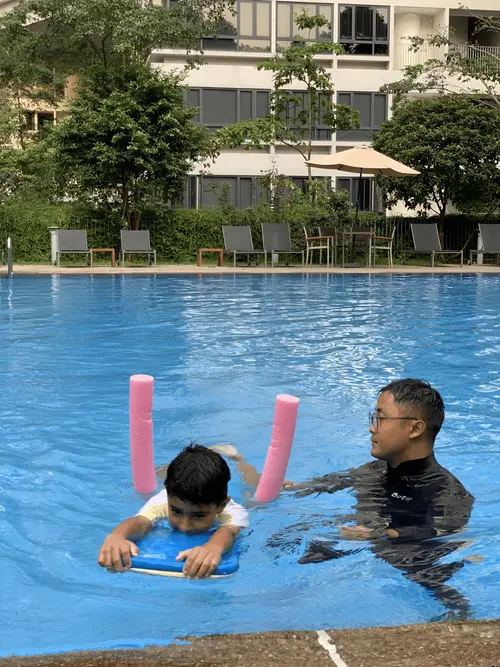
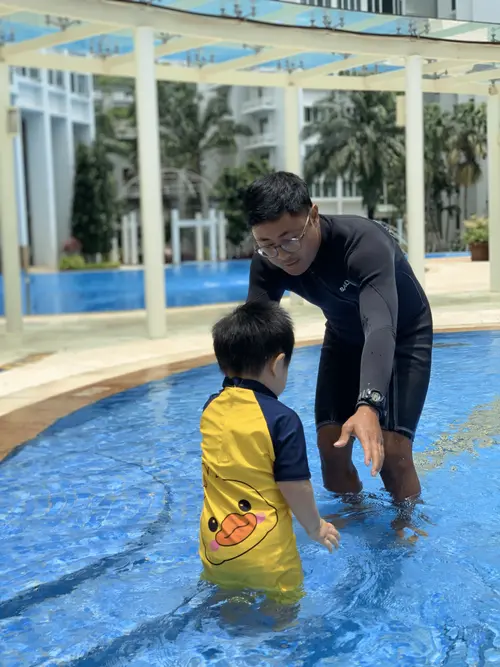
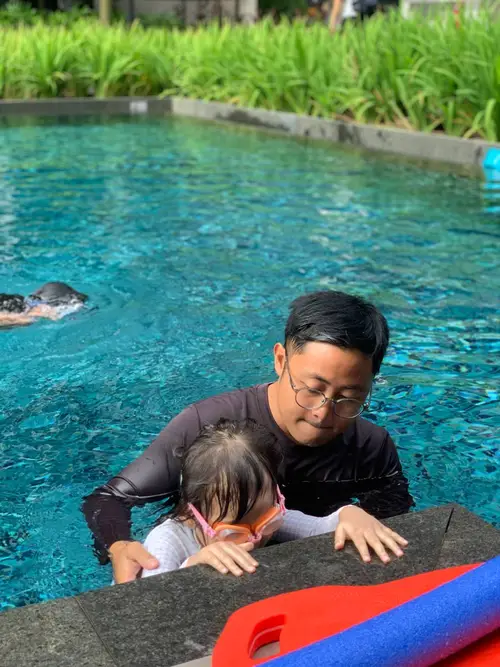
For example, a beginner learning freestyle may first practise flutter kicks while holding the pool edge. Once the legs develop rhythm, arm movements are introduced separately. Only after these parts feel natural are they combined with breathing.
This step-by-step method prevents overload. The brain can focus on mastering one element at a time before integrating them. According to research highlighted by the National Library of Medicine, motor learning improves significantly when complex movements are segmented and practised progressively.
Progressive breakdown builds coordination in a manageable and confident way.
Drill-Based Repetition For Movement Synchronisation
Another key answer to what training method is used for coordination lies in drill-based repetition. Swimming drills are controlled exercises that isolate specific aspects of movement. For instance, catch-up drills in freestyle slow down arm timing, helping swimmers feel proper sequencing.
Repetition strengthens neural pathways. Each correctly executed movement reinforces timing between limbs and breathing. Over time, the body begins to perform coordinated actions automatically rather than consciously.
According to Harvard Health Publishing, repetitive, mindful movement enhances neuromuscular coordination and efficiency. This principle applies directly to swimming. The more consistent the practice, the more natural coordination becomes.
Drills are not about speed. They are about rhythm and control.
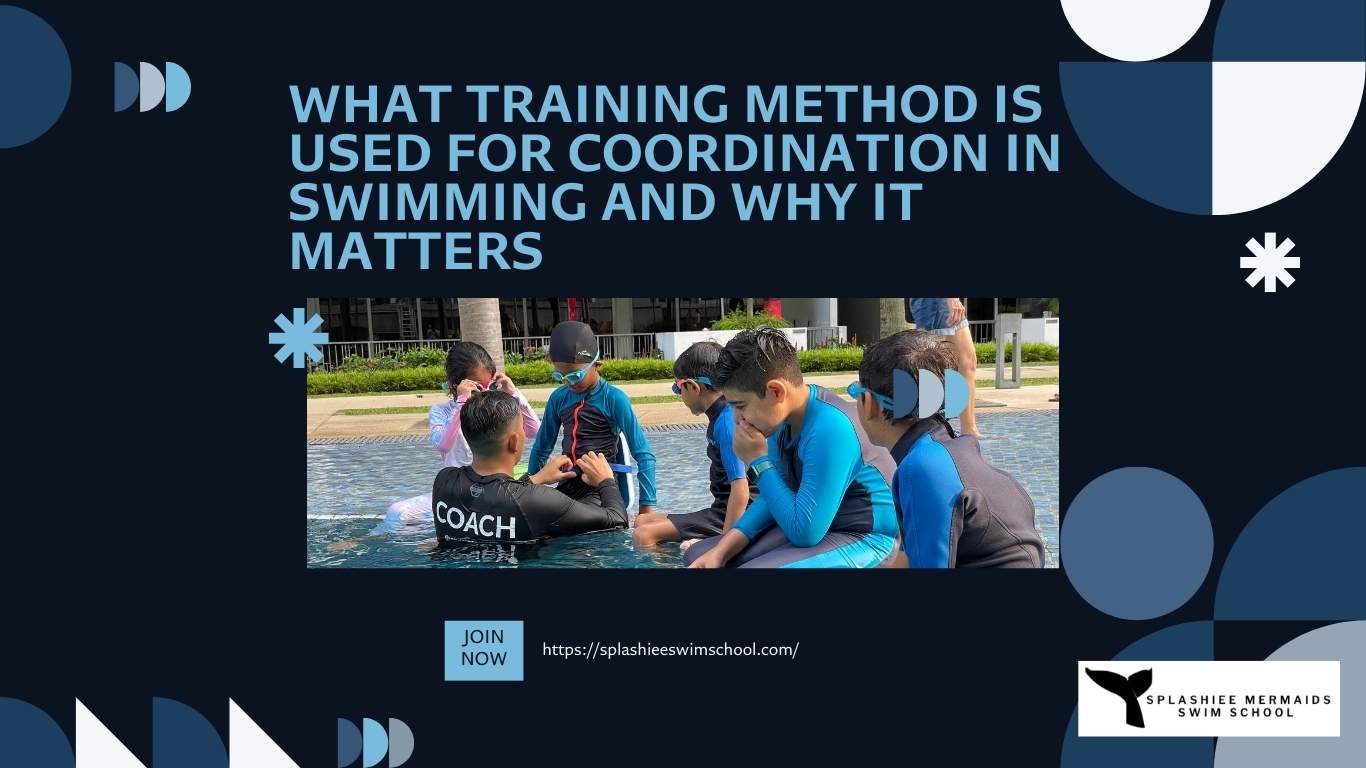
Breathing Synchronisation Training
Breathing is often the most challenging component of coordination. Many learners move their arms and legs well but struggle once breathing is added. That is why breathing synchronisation is a core training method used for coordination.
Instructors teach swimmers to time inhalation with arm recovery or body rotation. This prevents lifting the head excessively, which disrupts balance. Slow, guided breathing exercises are often introduced outside full swimming sets to build comfort.
Learning to coordinate breathing with movement reduces panic and increases endurance. When breathing becomes automatic, the rest of the stroke flows more smoothly.
Balance And Core Stability Exercises
When exploring what training method is used for coordination, balance and core training should not be overlooked. Coordination depends heavily on a stable body position. Without core engagement, arms and legs move independently instead of as a unified system.
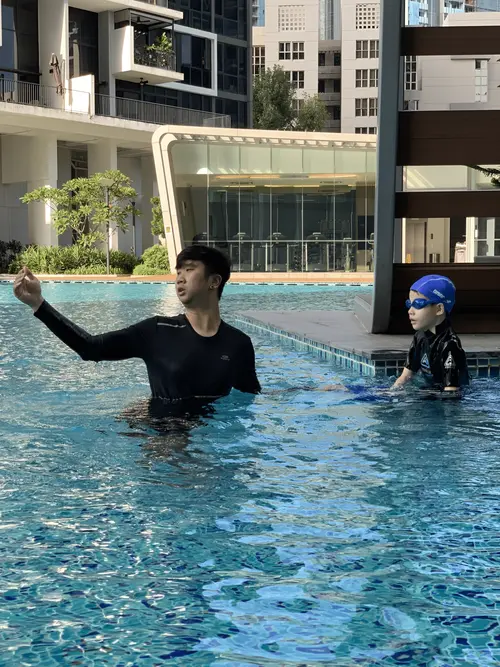
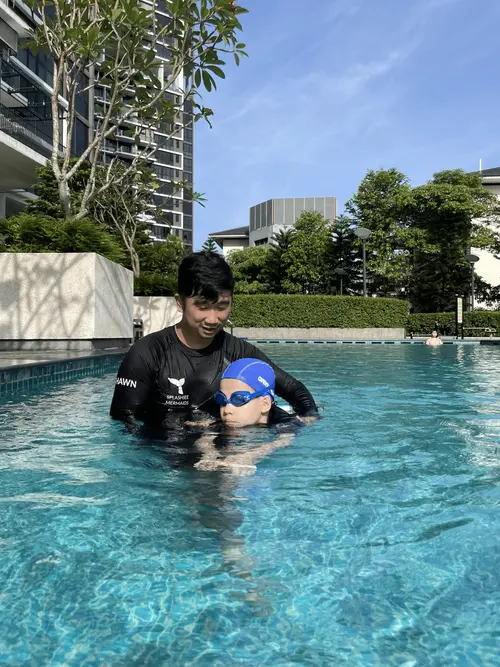
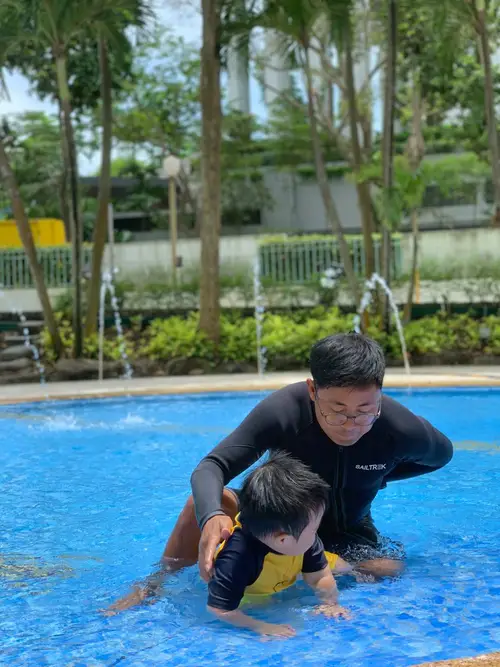
Swimming lessons often include floating exercises, streamlined glides, and controlled body rotations. These activities strengthen core awareness and improve body alignment.
The SwimSafer programme also reinforces balance and body control as part of water competency. Floating calmly and maintaining posture are fundamental coordination skills that enhance both technique and safety.
Water safety efforts supported by Sports Singapore highlight the importance of controlled body positioning in aquatic environments. Stability builds confidence and reduces fatigue.
Rhythm And Timing Practice Through Controlled Pace
Coordination improves when swimmers maintain a steady pace rather than rushing. Controlled pace training is another method used to strengthen timing.
Instructors may ask learners to swim slowly while counting strokes or maintaining consistent kick patterns. Slowing down allows swimmers to feel how each movement connects. This prevents chaotic splashing and reinforces smooth sequencing.
Once rhythm becomes stable at slower speeds, pace can gradually increase without losing coordination. This method ensures that technique remains strong even as intensity rises.
How Adult Swimming Classes Apply Coordination Training
Adult learners often ask what training method is used for coordination because they feel their movements lack fluidity. Adult swimming classes apply progressive breakdown, drill repetition, breathing control, and rhythm practice in a structured manner.
Adults benefit from understanding the reasoning behind each drill. When they know how a drill improves timing or balance, they practise with greater awareness. This mindful learning accelerates coordination development.
If you are interested in structured adult programmes, our article Adult Swimming Classes explains how lessons integrate coordination training alongside water safety skills.
Why Coordination Training Enhances Water Safety
Coordination is not only about technique. It directly affects safety. A coordinated swimmer conserves energy, maintains balance, and breathes calmly. An uncoordinated swimmer may tire quickly and lose control in deeper water.
By applying the right training methods for coordination, swimmers reduce the risk of panic and fatigue. Coordinated movement allows better response to unexpected situations, which is a core principle of SwimSafer and broader water competency education.
When coordination improves, confidence follows naturally.
Conclusion: What Training Method Is Used For Coordination
So, what training method is used for coordination? The answer includes progressive skill breakdown, drill-based repetition, breathing synchronisation, balance training, and rhythm control. These methods work together to connect separate movements into one fluid action.
Coordination transforms swimming from effortful splashing into efficient gliding. It strengthens technique, endurance, and safety at the same time.
If you would like to develop stronger coordination and smoother technique, visit Splashiee Mermaids Swim School to explore lessons designed to build rhythm, balance, and confident movement in water.
FAQ
Q: What training method is used for coordination in swimming?
A: Progressive breakdown, drills, breathing practice, and rhythm control are commonly used methods.
Q: Why is coordination important in swimming?
A: Coordination connects arms, legs, and breathing, making swimming efficient and safe.
Q: Can adults improve coordination through lessons?
A: Yes. Structured adult swimming classes help develop timing and rhythm progressively.
Q: Is coordination part of SwimSafer training?
A: Yes. SwimSafer emphasises balanced movement and control for water safety.
Click on the link to find out more about Splashiee Mermaid’s lesson package. Chat with our head coach today!
Home
About Splashiee Mermaids
Swimming Coach
SwimSafer
Private Swim Lessons
Group Swimming Lesson
Ladies Swimming Lessons
Childs Swimming Lessons
Whatsapp Us