Can Women Swim Every Day Without Overtraining?
Yes, many women can swim every day without overtraining, but only when intensity, duration and technique are managed carefully. Seven pool visits do not need to mean seven hard workouts. A balanced week can combine easy technique sessions, moderate aerobic swims and a few demanding sessions.
At Splashiee Mermaids Swim School, we encourage learners to judge a routine by recovery and progress, not simply by pool frequency. Daily swimming may suit an experienced swimmer, while a beginner may improve faster with fewer sessions.
Daily Swimming Is Not Automatically Overtraining
Overtraining is not defined by exercising on consecutive days. It develops when repeated training stress consistently exceeds the body’s ability to recover, eventually affecting performance, energy, sleep, mood or general wellbeing.
A woman who swims gently for twenty minutes may tolerate daily activity comfortably. Someone completing long, intense lap sessions every day may accumulate fatigue much faster. Training history, sleep, nutrition, work demands, illness and other exercise all affect recovery.
Singapore’s physical activity guidance recommends 150 to 300 minutes of moderate-intensity aerobic activity weekly, together with muscle-strengthening activity on at least two days. Swimming every day can exceed the aerobic target, but more volume is not automatically better if it causes persistent fatigue or pain.
The Intensity Of Each Swim Matters
The safest daily programme varies the effort level. Moderate swimming raises the heart and breathing rates while still allowing short phrases. Hard intervals, fast laps and long endurance sets place greater demands on recovery.
If every session tests speed or stamina, technique can deteriorate as fatigue builds. A daily swimmer may alternate a harder workout with an easy session focused on breathing, body position or relaxed stroke practice.
At Splashiee, we treat skill work as genuine training. Slower swimming can improve efficiency and confidence without creating the same stress as repeated high-intensity sets.
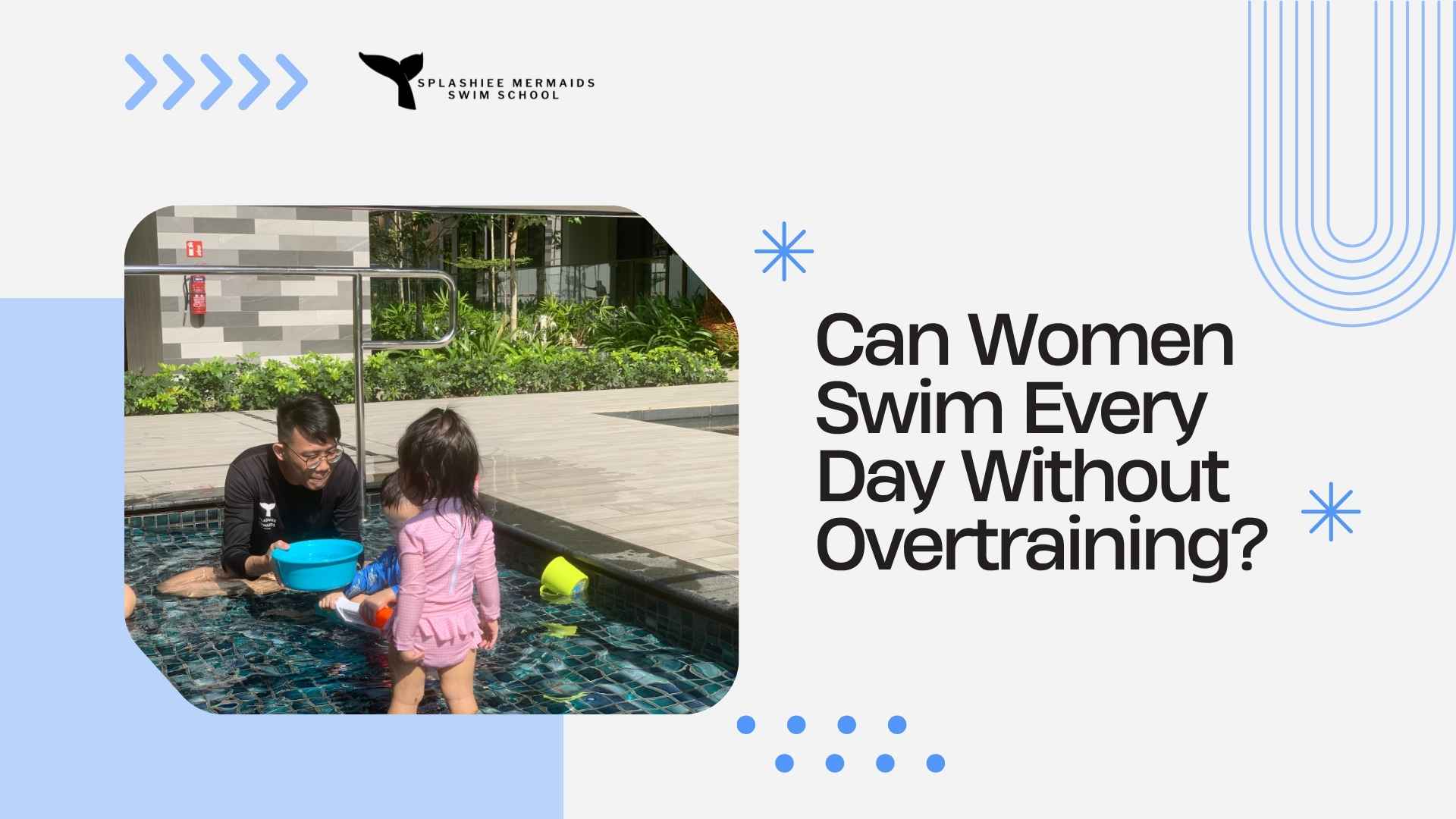
Beginners Usually Need More Recovery
A new swimmer may feel tired after short sessions because breathing control, coordination and body position are still developing. The shoulders and legs may also work unnecessarily when the swimmer is tense or inefficient.
Beginners often benefit from two to four structured swims weekly rather than immediately attempting daily laps. Rest days allow recovery and help learners avoid repeatedly practising poor movement patterns through fatigue. Singapore’s HealthHub also advises people to start progressively and allow time for rest and recovery to reduce overtraining and injury risks.
Daily attendance may still be possible when some visits are very light. A learner could practise floating, gentle kicking or breathing exercises instead of completing another full workout.
Watch For Signs Of Poor Recovery
Normal tiredness after exercise should improve with rest. Warning signs matter when they persist, worsen or repeatedly affect daily life.
Possible signs include declining performance, unusual fatigue, disturbed sleep, mood changes, a higher effort for familiar workouts and soreness that does not settle. The American College of Sports Medicine describes overtraining as a pattern rather than one isolated symptom.
Women should also notice recurring shoulder, neck, back or knee discomfort. Research identifies the shoulder as a common site of swimming overuse problems because swimming involves highly repetitive movements. Pain that changes the stroke or continues outside the pool should not simply be trained through.
Technique Helps Reduce Strain
Daily swimming magnifies good and poor technique. An efficient swimmer distributes effort through body rotation, controlled breathing and effective propulsion. An inefficient swimmer may complete repeated movements while overloading the shoulders.
Structured instruction can be more valuable than extra laps. Correcting poor head position, rushed breathing or an inefficient arm path may reduce strain while helping the swimmer travel farther with less effort.
At Splashiee Mermaids Swim School, we prioritise technique before volume. Efficient swimmers are better placed to increase frequency safely than those who depend on force.
Strength Training Still Has A Role
Swimming develops cardiovascular fitness and muscular endurance, but it should not replace every other form of exercise. Singapore’s guidelines also recommend muscle-strengthening activities involving the major muscle groups on at least two days weekly.
Appropriate strength work can support posture, shoulder control and general function. Swimming is not strongly weight-bearing, so suitable land-based exercise may complement a pool routine, particularly when bone health is a concern.
Strength sessions add to total training stress. A woman who swims daily and strength trains should avoid making every session demanding.
Recovery Depends On More Than Rest Days
A sustainable programme depends on sleep, nutrition, hydration and sufficient energy intake as well as scheduled rest. Recovery needs may increase during stressful periods, illness, pregnancy, injury rehabilitation or changes in health.
There is no universal daily programme that every woman must follow. Adjusting effort according to individual energy, comfort and recovery is more practical than forcing the same performance every day.
Anyone with a medical condition, pregnancy-related concern, persistent pain or unexplained fatigue should seek personalised advice from a qualified healthcare professional before maintaining an intensive routine.
Build A Safer Daily Swimming Routine
A practical daily plan should include variation. Two or three sessions may be moderately challenging, while the remaining swims should be easier, shorter or technique-based. A full rest day can still be added whenever recovery declines.
Volume should increase gradually rather than jumping from occasional swimming to seven long sessions in one week. Women returning after a break should rebuild duration and intensity progressively.
The goal is to create a routine that improves fitness, technique and confidence without causing repeated pain or exhaustion.
Learn To Swim Consistently With Splashiee
Women can swim every day without overtraining when their programme matches their ability, recovery and lifestyle. However, daily swimming is not necessary for staying fit, and more sessions do not guarantee faster progress.
At Splashiee Mermaids Swim School, we help female learners develop efficient technique, water confidence and realistic training habits. Whether you swim twice weekly or want a more frequent routine, we can help identify an appropriate starting point.
Contact us to discuss your current swimming ability, goals and weekly availability. We will help you build a structured approach that supports consistent improvement rather than unnecessary fatigue.
Frequently Asked Questions
Is It Safe For Women To Swim Every Day?
Daily swimming can be safe when most sessions are easy or moderate and the swimmer recovers well. It becomes less suitable when pain, persistent fatigue, declining performance or poor sleep begins to appear.
How Often Should A Female Beginner Swim?
Most beginners benefit from two to four structured sessions each week. This provides enough repetition for skill development while allowing recovery, especially when breathing, coordination and efficient stroke technique are still being learned.
Do Daily Swimmers Still Need Rest Days?
A rest day is useful whenever fatigue, soreness or performance decline appears. Experienced swimmers may use very easy technique sessions as active recovery, but complete rest remains appropriate when the body is not recovering normally.
When Should Women Reduce Their Swimming Frequency?
Women should reduce swimming volume when familiar sessions feel unusually difficult, technique deteriorates, soreness persists or sleep and mood worsen. Ongoing pain or unexplained fatigue should be assessed by a qualified healthcare professional.
Click on the link to find out more about Splashiee Mermaid’s lesson package. Chat with our head coach today!
Home
About Splashiee Mermaids
Swimming Coach
SwimSafer
Private Swim Lessons
Group Swimming Lesson
Ladies Swimming Lessons
Childs Swimming Lessons
Whatsapp Us