Swimming for Menopause: What the Pool Can and Cannot Do
Somewhere in your 40s, exercise that used to feel easy can start to feel different. Sleep gets patchy, joints ache in the morning and weight settles in new places. So it is fair to ask whether swimming for menopause is worth the effort, or whether the pool is simply a pleasant way to spend an hour. The honest answer has two halves, and both matter before you plan your week.
Swimming for menopause is a good choice for heart fitness, sore joints and staying active through perimenopause and beyond, because the water supports your weight while you work. It does not reliably ease hot flushes, and on its own it does little for bone strength. Pair regular swims with strength training on at least two days a week.
What Changes in Your Body Around Menopause
Menopause is the point when periods stop for good, and the years of change leading up to it are called perimenopause. According to SingHealth’s HealthXchange guide on perimenopause, it can begin in your early 40s and last up to ten years, with changes to your periods along the way. Women in Singapore also tend to reach menopause a little earlier than women in the West, according to KK Women’s and Children’s Hospital.
The symptoms women here report most are not always the ones people expect. Weight gain, difficulty sleeping, and joint and muscle aches all sit among the five moderate to severe symptoms reported most often locally. Blood pressure, cholesterol and blood sugar also start rising during this transition, which is why your heart deserves as much attention as your waistline.
Where Swimming for Menopause Genuinely Helps
Swimming is steady aerobic exercise, the kind that works your heart and lungs without pounding your legs. Singapore’s physical activity guidelines ask adults for 150 to 300 minutes of moderate aerobic activity a week, and time in the pool counts towards that. The same HealthXchange guide lists swimming among the activities worth considering during perimenopause.
Joints are the second reason. Water holds up much of your weight, which takes pressure off sore knees and hips. As orthopaedic specialists at the University of Washington explain, buoyancy lessens stress on the joints and lets you move more freely, while the water itself gives your muscles something to push against.
For a woman whose knees protest after a brisk walk, that difference is real. You can work your heart properly and still get out of bed comfortably the next morning.
Hot Flushes and the Pool
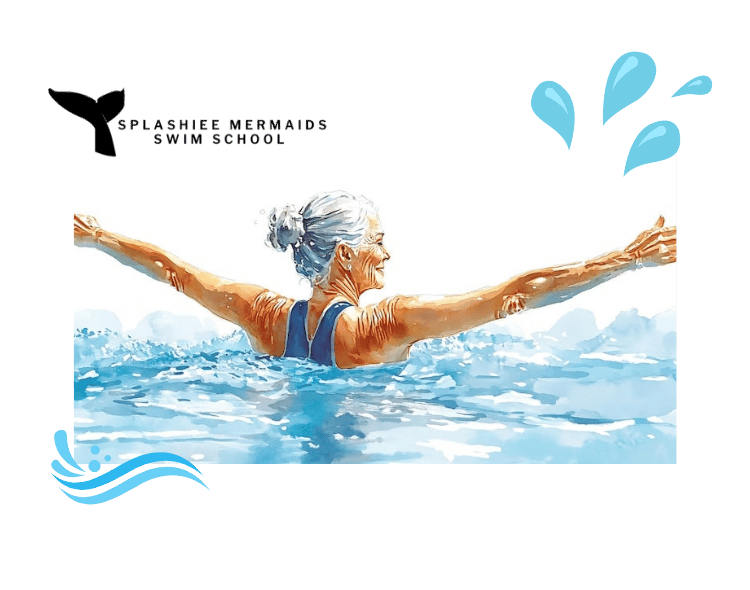
This is where we would rather be straight with you. A Cochrane review of exercise for hot flushes, which pools the results of several trials, found too little evidence to say whether exercise treats hot flushes and night sweats. We will not promise that swimming for menopause makes them go away.
What the pool does offer is a workout that does not leave you overheated. In Singapore’s heat, a hard session on land can leave you drenched and flushed, while a swim keeps you cool as you work. That comfort alone can make it easier to keep exercising week after week. If you have read about cold water dips for hot flushes, our article on cold water swimming and menopause looks at what that research really found.
Why Swimming Alone Will Not Protect Your Bones
Osteoporosis, where bones become weaker and break more easily, is a real concern after menopause, and this is where swimming falls short. The Better Health Channel, the Victorian government’s health site, explains that swimming and water exercise are not weight-bearing, because the water cancels out much of the pull of gravity.
Bones respond best to three kinds of exercise: impact activities such as dancing, resistance training with weights or bands, and balance work such as tai chi. A pool routine covers none of the three on its own.
So our advice is simple. Keep swimming for your heart and joints, and add strength training on land. Singapore’s guidelines already ask adults to strengthen muscles, bones and joints on at least two days a week, and our article on the benefits of swimming for females makes the same point about pairing the two.
Planning a Week of Swimming for Menopause
Start from the guideline rather than from an ambitious plan. 150 minutes a week could be three swims of about 50 minutes or five shorter swims of 30, with two strength sessions fitted around them.
Keep most swims easy to moderate, where you are breathing harder but could still speak a short sentence. If you want to swim more often, our guide on whether women can swim every day without overtraining explains how to spread the effort so fatigue does not build up. Poor sleep slows recovery, so on a bad night a rest day is not wasted time.
Why Many Women Prefer a Ladies Class at This Stage
Body changes in your 40s and 50s can make a mixed public class harder to walk into, even for women who swam happily when they were younger. A women-only setting removes one layer of self-consciousness, and our comparison of women-only swimming and mixed classes sets out who each format suits.
Our ladies swimming lessons run at public pools and at private properties. If you already swim confidently and only want lap time, you probably do not need lessons at all; a pool timetable and a strength plan will serve you better.
What to Tell Your Coach Before You Start
Before your first session, tell your coach about joint pain, a past injury or anything your doctor has said about your heart or bones. A female swimming coach can adjust strokes, kicks and session length around any of these, and you may find menopause symptoms easier to raise with another woman.
If you have been diagnosed with osteoporosis or a heart condition, check with your doctor before starting a new exercise routine. Swimming for menopause works best as a habit you can keep, and a safe start is what makes it last.
Frequently Asked Questions

At what age does menopause usually happen in Singapore?
In Singapore, menopause usually arrives between 45 and 55, and the average age is 49. That is about two years earlier than the Western average of 51, so it helps to build a fitness habit in your early 40s.
Is walking better than swimming for my bones?
Not by much. Walking is weight-bearing, yet the Better Health Channel notes that it does not greatly improve bone health, muscle strength or balance. Resistance training and impact exercise such as dancing are the ones it recommends for bones.
Is warm water better if my joints ache?
It can help. Orthopaedic specialists at the University of Washington note that warm water relaxes muscles and eases pain and stiffness. If warmth matters to you, ask whether the pool is heated before you book.
What if I am over 65?
Singapore’s guidelines ask adults over 65 to add activity that builds strength and balance on at least three days a week. Swimming still counts for fitness, but pair it with balance work on land, such as tai chi.
Click on the link to find out more about Splashiee Mermaid’s lesson package. Chat with our head coach today!
Home
About Splashiee Mermaids
Swimming Coach
SwimSafer
Private Swim Lessons
Group Swimming Lesson
Ladies Swimming Lessons
Childs Swimming Lessons
Whatsapp Us