Does Chlorine Make An Eye Infection Worse?
Does Chlorine Make An Eye Infection Worse And Why It Matters
If you have red, irritated, or painful eyes, you may find yourself asking, does chlorine make an eye infection worse? It is a valid concern, especially if you regularly attend swimming lessons or enjoy pool workouts. Chlorine is essential for disinfecting pools, but it can also irritate sensitive or already inflamed eye tissue.
Eye infections such as conjunctivitis or styes cause inflammation, swelling, and discomfort. When the protective barrier of the eye is compromised, exposure to chlorinated water can increase irritation. Understanding how chlorine interacts with infected or inflamed eyes helps you make safer swimming decisions.
In a country like Singapore, where swimming is a common activity for both adults and children, knowing when to pause and protect your eyes is part of responsible water safety.
How Chlorine Affects Healthy Eyes
Before answering does chlorine make an eye infection worse, it helps to understand how chlorine affects healthy eyes. Chlorine is added to pools to kill bacteria and maintain hygiene. However, chlorine reacts with organic matter in water, forming compounds that can irritate the eyes.
Even swimmers without eye infections may experience mild redness or dryness after swimming. This happens because chlorine can disrupt the tear film that protects the eye’s surface. When that protective layer is weakened, eyes may feel itchy or sensitive.
For healthy eyes, this irritation is usually temporary. For infected or inflamed eyes, the effects can be more pronounced.
Does Chlorine Make An Eye Infection Worse In Public Pools
The short answer to does chlorine make an eye infection worse is often yes, particularly in public pools. Eye infections already involve inflammation and bacterial or viral irritation. Chlorine exposure can add another layer of stress to the eye.
According to Harvard Health Publishing, inflamed tissues are more sensitive to environmental irritants. Chlorinated water may increase redness, dryness, and discomfort, especially if goggles are not worn.
Research from the National Library of Medicine indicates that chemical exposure can worsen ocular irritation when the eye’s natural defence barriers are compromised. This suggests that swimming during an active eye infection may prolong symptoms or increase discomfort.
Common Eye Infections And Swimming Risks
When considering does chlorine make an eye infection worse, it is important to recognise the type of infection. Conjunctivitis, commonly known as pink eye, can be bacterial or viral. Styes involve infected oil glands on the eyelid. Both conditions cause swelling and sensitivity.
Swimming with conjunctivitis increases irritation risk and may spread infection to others, especially in shared facilities. Chlorine does not instantly neutralise all microorganisms, and close contact areas such as pool edges and shared equipment can facilitate transmission.
For styes, water exposure may cause additional swelling or discomfort. Rubbing irritated eyes after swimming can also worsen infection.
When You Should Avoid Swimming With An Eye Infection
There are clear signs that answer does chlorine make an eye infection worse with a strong reason to avoid swimming. If you experience significant redness, discharge, pain, blurred vision, or swelling, it is safer to stay out of the pool.
Swimming while symptoms are active may delay recovery. In addition, sharing pool water while experiencing contagious eye conditions such as bacterial conjunctivitis is not considerate to others.
Resting until redness reduces and discharge stops helps ensure that you return to swimming safely and comfortably.
Can Goggles Protect Your Eyes From Chlorine Irritation
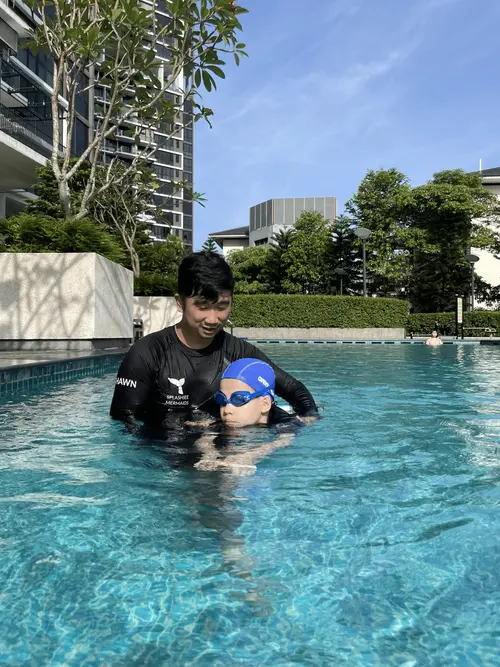
If symptoms are mild and improving, properly fitted swimming goggles can reduce chlorine exposure. Goggles create a seal that limits water contact with the eye surface. However, they are not a guarantee against irritation if the infection is still active.
It is also important to keep goggles clean. Contaminated or poorly maintained goggles can introduce bacteria, potentially worsening symptoms.
While goggles offer protection, they should not replace sound judgment about whether swimming is appropriate during recovery.
How SwimSafer Encourages Responsible Health Decisions
Although SwimSafer focuses on survival skills and water competency, it also emphasises responsible behaviour around water. Understanding when not to swim is part of water safety awareness.
SwimSafer principles encourage swimmers to assess both environmental conditions and personal health before entering the water. This includes recognising when infections or illness may compromise safety or hygiene.
Water safety initiatives supported by Sports Singapore promote shared responsibility in maintaining safe and hygienic aquatic environments. Avoiding swimming during active infections contributes to that goal.
When It Is Safe To Return To Swimming After An Eye Infection
If you have been wondering does chlorine make an eye infection worse, the next important question is when to return. Generally, you can resume swimming once redness significantly reduces, discharge stops, and discomfort subsides.
Consulting a healthcare professional may provide additional guidance, especially for persistent symptoms. Once the infection resolves, wearing goggles during initial return sessions can help protect sensitive eyes.
Gradual return ensures comfort and prevents setbacks, allowing you to resume swimming confidently.
Conclusion: Does Chlorine Make An Eye Infection Worse
So, does chlorine make an eye infection worse? In many cases, yes. Chlorinated water can irritate inflamed eye tissue and delay recovery. Swimming during an active eye infection may increase discomfort and pose hygiene concerns in shared pools.
Taking a short break from swimming allows your eyes to heal properly. Once symptoms improve, you can return to the water comfortably and safely.
If you would like guidance on responsible swimming practices and safe lesson planning, visit Splashiee Mermaids Swim School to explore programmes that prioritise both skill development and health awareness.
FAQ
Q: Does chlorine make an eye infection worse?
A: Yes. Chlorine can irritate inflamed eyes and increase discomfort.
Q: Should I swim with conjunctivitis?
A: It is best to avoid swimming until symptoms resolve to prevent irritation and spread.
Q: Can goggles prevent chlorine irritation during an eye infection?
A: Goggles reduce exposure but may not fully prevent irritation if infection is active.
Q: When can I return to swimming after an eye infection?
A: You can usually return once redness, discharge, and discomfort have resolved.
Click on the link to find out more about Splashiee Mermaid’s lesson package. Chat with our head coach today!
Home
About Splashiee Mermaids
Swimming Coach
SwimSafer
Private Swim Lessons
Group Swimming Lesson
Ladies Swimming Lessons
Childs Swimming Lessons
Whatsapp Us